

Aluminium Tanker Plate Supplier


Selecting material for road tankers is not only about strength to weight. A recurring failure mode in welded tank bodies is stress corrosion cracking (SCC), driven by alloy chemistry, temper, fabrication stress, and service environment (for example salt exposure). This article focuses on one top concern: reducing SCC risk while still meeting tanker fabrication and inspection requirements.
What SCC looks like in tanker service (and why it matters)
SCC is the growth of cracks under the combined action of tensile stress and a corrosive environment. In tanker fabrication, stresses come from forming and welding. Environments include road deicing salts, marine air, and cargo residues.
Why it matters:
Cracks often initiate near welds and heat affected zones where microstructure and residual stress are highest.
Small surface cracks can propagate and create leaks, triggering downtime, repair, and regulatory scrutiny.
Practical implication: when evaluating a supplier for tanker body plate, you need controls that reduce SCC drivers, not just a mill test certificate.
Alloy and temper selection to reduce SCC (what to ask for)
For welded tanker shells, 5xxx series Al Mg alloys are widely used because they keep good strength after welding and have good corrosion resistance. However, SCC susceptibility can increase when high Mg alloys are used at certain temperatures or when sensitization occurs.
Checklist: questions that directly impact SCC risk
Ask your shortlisted supplier to confirm the following in writing for your order:
Alloy grade and applicable product standard (for example ASTM B209 for aluminum and aluminum alloy flat rolled products, or EN 485 for aluminum and aluminum alloys for sheet plate and strip).
Temper and property targets (typical tank work uses non heat treatable tempers; ensure the temper is appropriate for forming and welding).
Intergranular corrosion or sensitization control for Al Mg alloys used in corrosive service.
Welding compatibility notes (filler metal compatibility and recommended practices should align with recognized codes).
Traceability: heat number, full chemistry, and mechanical test data per lot.
Surface quality requirements: no laminations, blisters, or edge cracks that can become SCC initiation sites.
Comparison table: common 5xxx tanker alloys (selection oriented)
The grades below are frequently specified for transport tanks. The best choice depends on forming severity, corrosion exposure, and needed post weld strength.
| Alloy (5xxx) | Typical reason it is selected | SCC related note to verify | Best fit scenarios |
|---|---|---|---|
| 5083 | High strength and excellent marine corrosion resistance | Confirm sensitization control and corrosion testing approach for intended temperature exposure | Salt exposure, higher strength shell sections |
| 5454 | Good corrosion resistance and common in chemical tank applications | Often favored for elevated temperature service vs higher Mg options; confirm spec compliance | Cargoes with higher service temperature, chemical duty |
| 5182 | Good formability and corrosion resistance | Verify temper for deep forming and welding; check surface quality | Heads, formed components, complex shaping |
If your specification already calls out 5083, use the supplier conversation to confirm the exact product form and temper and whether they support corrosion performance validation beyond the certificate.
For product detail alignment during sourcing, reference Tanker Plate requirements when matching plate thickness range, width, and flatness to tank shell fabrication.
Verification steps that separate a reliable source from a risky one
A credible supplier should be able to support the same verification language that fabricators and inspectors use. Focus on evidence that is standard, reviewable, and traceable.
Step by step verification workflow (procurement friendly)
Confirm the governing standard
Ask the supplier to state the exact standard and revision they manufacture to (ASTM or EN). This avoids mismatched tolerances and properties.
Review mill test certificates (MTC) for the right items
Chemistry (Mg content matters in 5xxx behavior).
Tensile properties and elongation.
Lot traceability and test methods.
Add an acceptance clause for critical defects
Edge cracks, laminations, and inclusions can become crack starters under vibration and corrosion.
Specify inspection method expectations (visual, ultrasonic if required by your quality plan).
Control forming and welding risk with deliverable documentation
Request recommended forming radius guidance and welding notes aligned with recognized industry practice.
Ensure the supplier can advise on plate orientation and rolling direction impact on forming.
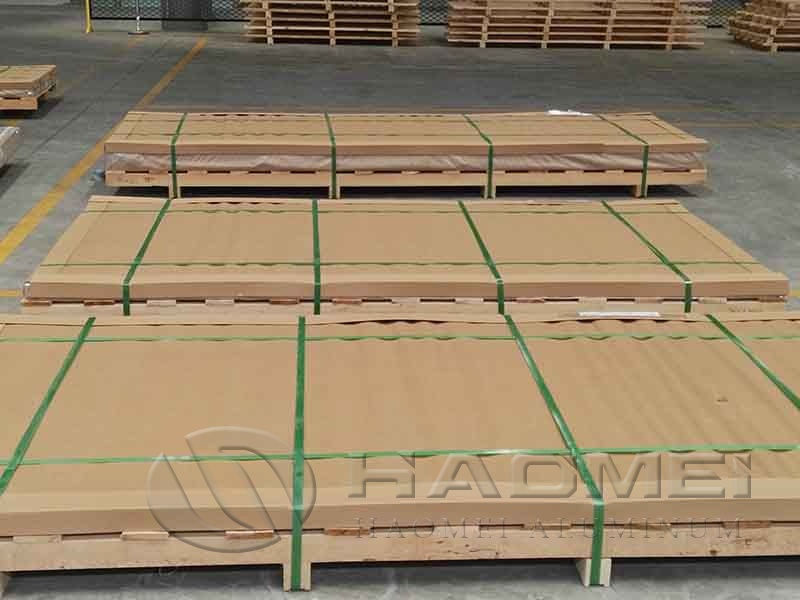
Demand packaging that prevents corrosion initiation before fabrication
Water staining and trapped moisture under wraps can create surface attack that later becomes a defect.
Require dry packing and clear storage instructions.
Regulations and codes: what commonly drives material documentation
Road tanker builds and repairs are typically inspected under national rules and industry codes. Requirements vary by country and cargo type, but documentation themes are consistent:
Material traceability to heat and lot.
Mechanical properties per referenced material standard.
Weld procedure qualification and inspection records.
If your organization builds to a code framework, align your purchase order to that framework so certificates and marking match inspection needs. Supplier credibility is shown by familiarity with these documentation expectations, not by marketing claims.
Pricing reality check: what moves the cost for tanker body plate
Aluminum pricing changes with:
Primary aluminum market movements (often benchmarked to LME aluminum) plus conversion premiums.
Thickness and width (wide plate yields and rolling schedules affect cost).
Alloy and temper availability.
Testing, inspection level, and certificate requirements.
Actionable quote checklist:
Provide exact thickness, width, length, and required flatness.
State standard and temper.
Define whether additional inspection or special corrosion related testing is required.
Define packing method and delivery terms.
Supplier selection scorecard focused on SCC risk
Use this simple scorecard during supplier comparison.
| Criterion | What to look for | Evidence you can audit |
|---|---|---|
| Alloy temper control | Consistent temper and mechanical properties | MTC with lot traceability |
| Corrosion performance approach | Clear statements on sensitization control or corrosion testing | Test reports when specified, documented process controls |
| Fabrication support | Forming and welding notes consistent with tank fabrication | Written technical datasheets |
| Surface and edge quality | Low defect rate on arrival | Incoming inspection records, corrective action history |
| Packaging and storage | Dry packing, protected edges | Packing photos, SOP statements |
If 5083 is on your shortlist, align to a stable supply program and consistent documentation by specifying Aluminium 5083 clearly in your order, including temper and acceptance criteria.
Quick takeaways for risk reduction
Treat SCC as a sourcing problem as much as a fabrication problem: alloy, temper, and surface quality matter.
Choose a supplier that can prove standard compliance and traceability, and can document corrosion related controls.
Make your purchase order specific: standard, temper, inspection, and packaging requirements reduce disputes and rework.
Original Source:https://www.aluminumtankerplate.com/a/aluminium-tanker-plate-supplier.html
Tags: aluminium tanker plate , stress corrosion cracking ,
Prev:Aluminium Tanker Plate Manufacturer
Next:5754 H111 Aluminum