

5182 Aluminum Plate Price


The 5182 aluminum plate price is not determined by alloy alone. For tank trucks and special vehicles, the final quotation depends on aluminum market value, plate dimensions, temper, surface requirements, inspection level, freight, and order volume. Procurement teams should compare offers on the same technical basis rather than selecting material only by price per tonne.
5182 is an aluminum-magnesium alloy in the 5xxx series. It offers good corrosion resistance, useful strength after strain hardening, and good formability for selected formed vehicle components. However, alloy selection for a tank shell, tank head, compartment, baffle, or chassis-related part must follow the vehicle design, transported medium, fabrication method, and applicable transport regulations.
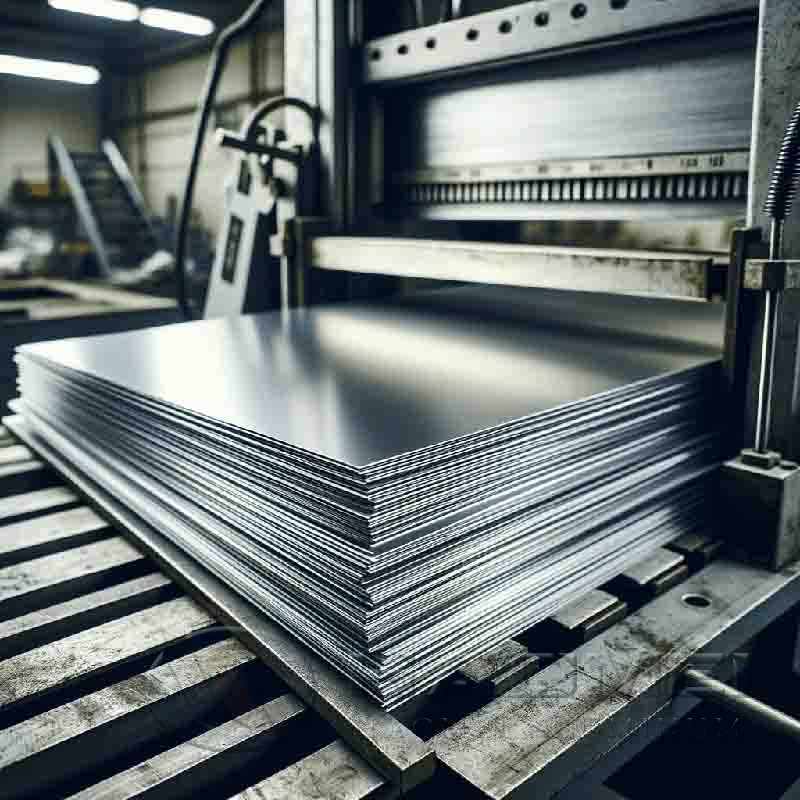
What Determines 5182 Aluminum Plate Price?
Aluminum plate quotations usually begin with the underlying primary aluminum reference price, then add fabrication and commercial costs. The premium can vary substantially between standard mill sizes and customized heavy-gauge material.
| Price Factor | Effect on Cost | What to Confirm Before Quoting |
|---|---|---|
| Primary aluminum market price | Changes daily or weekly depending on the pricing formula | Reference market, pricing date, currency, and validity period |
| Alloy and temper | 5182 chemistry control and strain-hardened tempers add conversion value | Required temper, such as H111, H32, or another approved condition |
| Thickness and width | Thick plate, extra-wide plate, and tight thickness tolerance may cost more | Nominal thickness, tolerance, width, length, and unit weight |
| Surface quality | Higher appearance or forming requirements can increase processing cost | Mill finish, protective film, scratch limits, and flatness requirement |
| Testing and documents | Third-party testing and expanded documentation add cost | Chemical analysis, mechanical testing, ultrasonic testing, EN 10204 3.1 certificate |
| Freight and packaging | Export packing and long-distance transport can be significant | Incoterm, delivery destination, packing method, and insurance |
A low quotation may exclude items that are necessary for vehicle fabrication, such as protective interleaving, edge trimming, plate identification, or mechanical-property reports. When comparing suppliers, request an itemized offer showing net material value, processing charge, testing charge, packing, and freight.
For regular consumption, a pricing agreement linked to an agreed aluminum market index can reduce uncertainty. The agreement should specify the conversion premium, currency, payment terms, price adjustment timing, and the exact alloy-temper-size combination. This is especially important when aluminum market movements are rapid.
Selecting 5182 Plate for Tank Trucks and Special Vehicles
5182 plate is often considered where corrosion resistance, formability, and moderate-to-high strength are needed. Its suitability should be evaluated against the full structure, not simply against a material data sheet. Tank truck fabricators commonly use several 5xxx-series alloys in one vehicle, depending on whether the part is rolled, pressed, welded, or exposed to a particular cargo environment.
For example, 5083 is widely recognized for welded marine and tank applications because of its strength and corrosion resistance. Material selection may include Aluminium 5083 for components where the engineering specification calls for that alloy. 5182 may be used for formed sections and other vehicle parts when its temper, thickness, and fabrication behavior suit the drawing requirements.
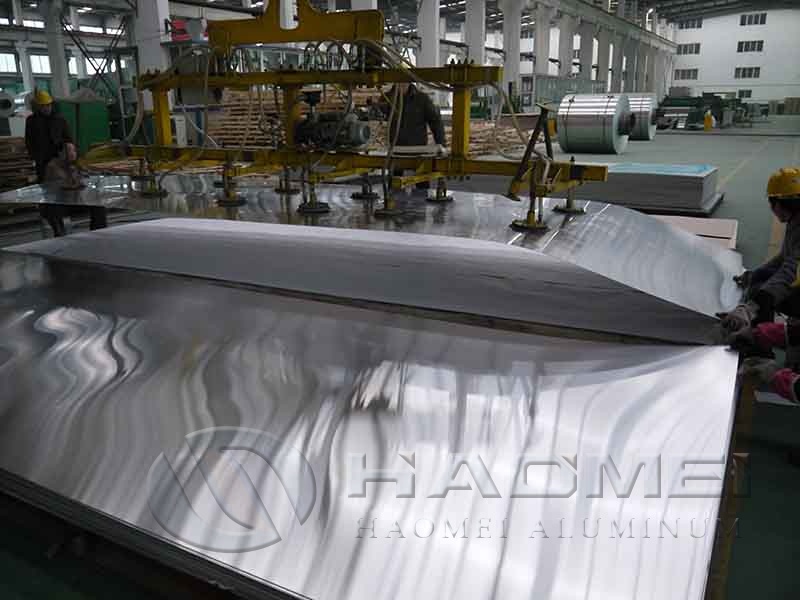
Another commonly specified 5xxx alloy is Aluminum 5454, which is used in transportation equipment and may be selected for particular tank and vehicle applications. The correct choice depends on design calculations, welding procedures, service temperature, cargo compatibility, and regulatory obligations.
| Purchasing Checkpoint | Why It Matters for Tank Vehicles |
|---|---|
| Alloy designation | Confirms the material is 5182 rather than a substitute alloy with different properties |
| Temper | Influences forming performance, strength, and dimensional stability |
| Plate thickness tolerance | Supports predictable rolling, forming, and welding results |
| Width and length | Reduces scrap, longitudinal joints, and production handling time |
| Grain structure and flatness | Helps with pressing, rolling, and fit-up during fabrication |
| Surface condition | Reduces the risk of defects in visible or formed panels |
| Traceability | Connects each plate or bundle to inspection records and production batches |
For hazardous-material tanks, material procurement should be coordinated with the approved tank design. Regulations such as ADR in Europe and DOT requirements in the United States govern vehicle and tank performance, but they do not create a universal rule that one aluminum alloy fits every application. Tank construction may also involve applicable material standards, welding standards, and customer engineering specifications.
How to Purchase Plate With Lower Technical and Supply Risk
A complete inquiry improves quotation accuracy and helps mills identify whether they can produce the requested material reliably. State the alloy, temper, thickness range, width, length, quantity per size, intended application, required certificates, destination port or factory, and delivery schedule. If the plate will be bent or deeply formed, provide bend radius, forming direction, and part geometry where possible.
For sheet and plate supplied to recognized standards, purchasers may refer to standards such as ASTM B209 or EN 573-3, depending on the project requirement. ASTM B209 covers aluminum and aluminum-alloy sheet and plate, while EN 573-3 addresses chemical composition for wrought aluminum alloys. The purchase order should identify the exact edition and any additional requirements rather than relying only on an alloy name.
Before approving mass production, request a sample, trial coil or plate, or first-article inspection where production risk is high. Verify actual thickness, width, length, flatness, surface condition, chemical composition, tensile properties, and certificate consistency. For applications requiring welded structures, confirm that the selected alloy and temper are compatible with the approved welding procedure and filler metal.
Use the following information in an RFQ to obtain comparable 5182 aluminum plate price offers:
Alloy: 5182.
Temper: Specify the approved temper and acceptable alternatives, if any.
Dimensions: Thickness x width x length, plus tolerances.
Quantity: Total tonnage, monthly demand, and preferred batch size.
Surface: Mill finish, protective film, oiling condition, or other surface controls.
Documents: Mill test certificate, inspection standard, and traceability requirements.
Packaging: Export seaworthy packing, skid type, edge protection, and moisture protection.
Delivery: Incoterm, named destination, required delivery date, and partial-shipment policy.
For long-term tank truck programs, evaluate suppliers on stable thickness control, batch consistency, response to claims, technical communication, and logistics reliability alongside the quoted material price. These factors often have a greater effect on fabrication yield and delivery performance than a small difference in the initial plate quotation.
Original Source:https://www.aluminumtankerplate.com/a/5182-aluminum-plate-price.html
Tags: 5182 aluminum plate price , tank truck aluminum plate ,
Prev:5182 Aluminum