

5182 Aluminum Sheet


5182 aluminum sheet is a 5xxx series Al-Mg alloy valued for weldability, corrosion resistance, and good forming performance. In the tank truck and special vehicle industry, it is considered when manufacturers need lighter weight, stable fabrication quality, and reliable service in road transport environments. Compared with carbon steel, aluminum can reduce vehicle tare weight, support higher payload within legal limits, and improve fuel efficiency over long-distance operation.
For bulk purchasing teams, choosing sheet for tank bodies is not only about price per ton. The decision also involves alloy selection, temper, thickness tolerance, surface quality, certification, delivery stability, and compatibility with the tank design code used in the destination market.
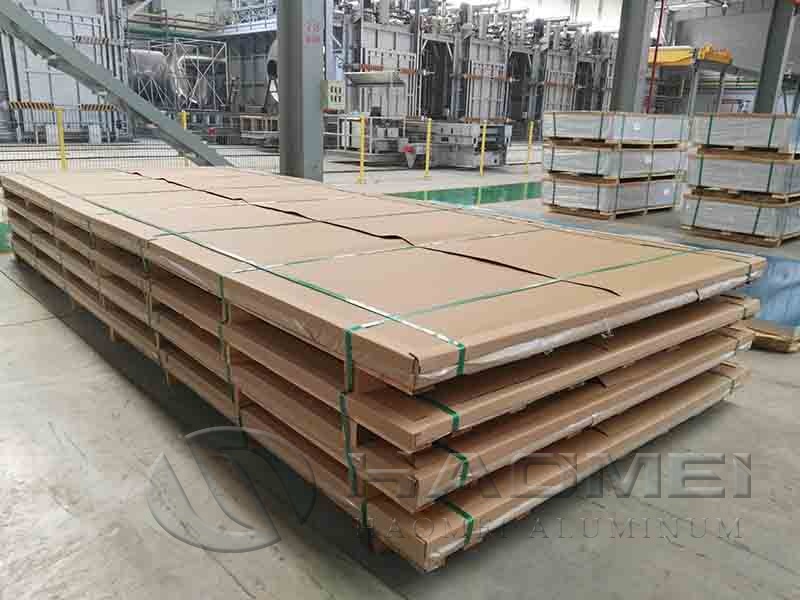
What 5182 Aluminum Sheet Offers for Tank Truck Fabrication
5182 belongs to the non-heat-treatable aluminum-magnesium alloy family. Its strength mainly comes from magnesium solid solution strengthening and cold working rather than heat treatment. According to widely used aluminum standards such as EN 573 and ASTM B209, 5182 typically contains magnesium as the main alloying element, with manganese added to support strength and structure stability.
In practical tank truck production, 5182 aluminum sheet is appreciated for several reasons. It has good resistance to atmospheric corrosion and many neutral liquid environments, which is important for road tankers exposed to rain, road salt, and temperature changes. It also performs well in welding processes commonly used for aluminum tanks, such as MIG and TIG welding, provided that the welding procedure, filler metal, and post-weld inspection are correctly controlled.
The alloy also has good formability. Tank shells, baffles, end heads, and partitions may require rolling, bending, dishing, or flanging. A material that forms consistently helps reduce cracking risk and improves production yield. For applications that require a balance of strength and ductility, Aluminum 5182 is often evaluated together with other 5xxx tank materials.
| Item | Typical Purchasing Concern | Why It Matters |
|---|---|---|
| Alloy | 5182, 5083, 5454, 5754, 5059 | Different strength, corrosion behavior, and forming response |
| Temper | O, H111, H112, H32, or project-specified temper | Affects forming, strength, and welding performance |
| Thickness | Commonly selected by tank design calculation | Influences weight, pressure resistance, and service life |
| Width and length | Coil, sheet, or cut-to-size plate | Impacts nesting, welding seams, and fabrication efficiency |
| Surface | Mill finish, clean surface, no harmful defects | Reduces rework before forming and welding |
| Certification | Mill test certificate, standard compliance | Supports traceability and inspection approval |
5182 vs. Other Aluminum Alloys Used in Tankers
No single aluminum grade is suitable for every tank truck. The transported medium, tank shape, loading method, design pressure, service temperature, and regional regulations all affect material selection. 5182 is usually discussed in the same family as 5083, 5454, 5754, and 5059.
5083 is known for high strength and marine-grade corrosion resistance. It is widely used in pressure vessel and transport applications where higher mechanical performance is required. 5454 is often selected for tank bodies carrying hot liquids or petroleum products because it offers good corrosion resistance and better performance at moderately elevated temperatures than some general-purpose 5xxx grades. For fleets where petroleum, chemicals, or industrial liquids are involved, Aluminum 5454 may be compared directly with 5182 during material approval.
5754 has moderate strength and excellent forming ability, making it suitable for vehicle panels, floors, and some tank components. 5059 offers high strength and good toughness, often used in demanding transport or marine structures. 5182 sits in a practical position: it provides higher strength than many medium-strength 5xxx grades while retaining useful formability for formed tank components.
| Alloy | General Strength Level | Formability | Common Tank-Related Use |
|---|---|---|---|
| 5182 | Medium to high | Good | Tank shells, partitions, formed parts, vehicle structures |
| 5083 | High | Medium | Heavy-duty tanks, pressure-related structures, marine transport parts |
| 5454 | Medium | Good | Fuel tanks, chemical tanks, hot liquid service within approved design limits |
| 5754 | Medium | Very good | Vehicle body parts, tank accessories, formed panels |
| 5059 | High | Medium | High-performance transport and structural applications |
When comparing these alloys, purchasers should not rely only on nominal tensile strength. Welded joint efficiency, bend radius, corrosion environment, and design code acceptance are equally important. For dangerous goods tanks, material choice must follow applicable regulations such as ADR in Europe, DOT requirements in the United States, or other national transport tank rules. The tank manufacturer and design authority should confirm whether 5182 is accepted for the intended cargo and structure.
How to Purchase 5182 Aluminum Sheet for Tank Trucks
A clear technical specification is the most effective way to control cost and quality. A quotation request should state the alloy, temper, thickness, width, length, quantity, standard, surface requirement, packaging method, and required inspection documents. If the sheet will be used for tank shells, also include forming direction, minimum bend requirements, and whether ultrasonic testing or special flatness control is needed.
Thickness tolerance deserves careful attention. A sheet that is too thin may fail design calculations, while excessive positive tolerance increases vehicle weight and material cost. For tank factories running automated cutting and welding lines, width tolerance and flatness can affect seam fit-up and production speed. Poor flatness may look like a minor issue at receiving inspection but can create welding gaps, distortion, and extra labor.
Surface quality is another practical purchasing point. Tank sheet should be free from deep scratches, oil contamination, corrosion spots, edge cracks, and laminations that affect forming or welding. A normal mill finish is usually acceptable, but the surface must be clean and consistent. Protective paper, film, or interleaving may be requested when sheets will be stored for a long time or transported over long distances.
| Purchase Item | Recommended Requirement |
|---|---|
| Standard | ASTM B209, EN 485, EN 573, or agreed national standard |
| Certificate | Heat number, chemical composition, mechanical properties, temper, dimensions |
| Packaging | Wooden pallet, moisture protection, edge protection, export seaworthy packing if needed |
| Traceability | Marking on sheets or bundles matching the mill certificate |
| Inspection | Dimensional check, visual surface check, mechanical test review, optional third-party inspection |
| Delivery planning | Confirm rolling schedule, stock availability, and batch consistency |
Cost is influenced by London Metal Exchange aluminum price, regional premiums, magnesium cost, rolling conversion fees, order quantity, thickness range, and logistics. Tank-grade 5xxx sheets are not always the cheapest aluminum products because they require stable chemistry, controlled rolling, and reliable mechanical properties. Large orders can reduce unit conversion cost, but mixed thicknesses, urgent delivery, and special testing may increase the final price.
Supply chain stability matters as much as the initial quote. A qualified supplier should understand tank truck applications, provide consistent batches, and respond quickly when a factory needs repeat orders. Before placing a large purchase, many manufacturers request sample sheets or a trial batch for cutting, forming, welding, and inspection. This step helps confirm that the selected 5182 aluminum sheet matches real workshop conditions rather than only meeting paperwork requirements.
For long-term projects, it is useful to agree on a purchasing specification that records approved alloy, temper, thickness tolerance, mechanical property range, surface acceptance level, packaging, and documentation. This reduces disputes and helps tank truck manufacturers maintain stable quality from one production lot to the next.
Original Source:https://www.aluminumtankerplate.com/a/5182-aluminum-sheet.html
Tags: 5182 aluminum sheet , aluminum tank truck plate , tank trailer material , 5xxx aluminum alloy ,
Prev:Lightweight Tanker Design with Aluminum Plate
Next:5182 Aluminum Alloy