

5182 Aluminum Plate


5182 aluminum plate is an Al-Mg alloy chosen when a project needs strong forming response, reliable welding, and good corrosion resistance without heat treatment. The customer concern highlighted here is weldability under corrosion exposure, because poor alloy selection or temper control can cause rework, leaks, coating failure, and delayed deliveries.
For sourcing teams comparing marine, transport, packaging, and forming materials, AA5182 often sits between high-strength 5xxx alloys and easier-forming medium-magnesium options. It is widely specified for automotive panels, can ends, road tanker components, brackets, tooling plates, and welded structures where strength-to-weight ratio matters.
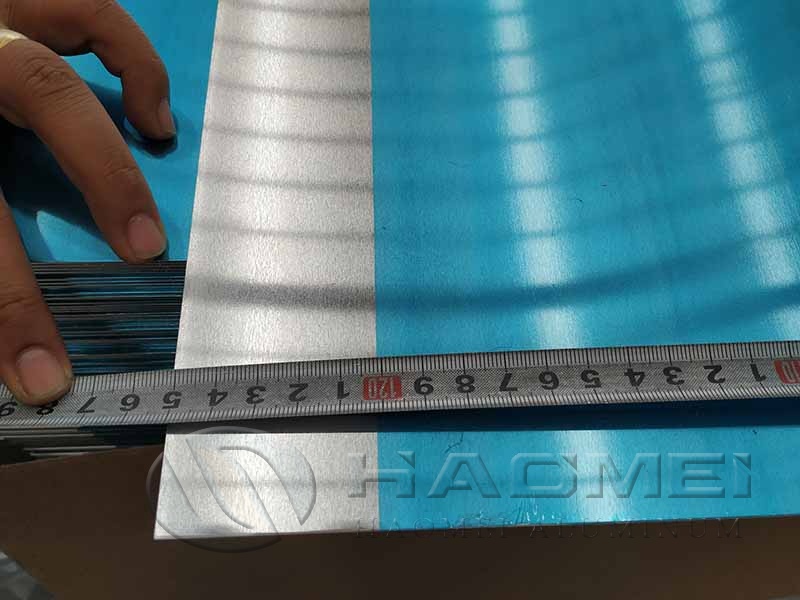
Where 5182 Plate Solves Real Production Problems
The alloy is non-heat-treatable. Strength comes mainly from magnesium solid solution strengthening and cold work. This matters in production: welding will not require solution heat treatment, but it can soften cold-worked tempers near the weld.
| Production need | Why AA5182 helps | Purchasing action |
|---|---|---|
| Welded tank or vessel parts | Good weldability with MIG and TIG processes | Confirm filler recommendation and post-weld strength expectations |
| Deep or stretch formed parts | Strong forming response in O, H111, or H112 tempers | Match temper to bend radius and forming depth |
| Corrosive road or marine atmosphere | 5xxx Al-Mg chemistry gives good general corrosion resistance | Request intergranular corrosion assessment if service is severe |
| Lightweight transport equipment | Density is about 2.66 g/cm3, far below carbon steel | Compare stiffness design, not only tensile strength |
| Beverage and packaging tooling | Stable flat-rolled quality supports repeatable forming | Control thickness tolerance and surface finish |
When the application is a transport tank, many engineers evaluate 5182 alongside Tanker Plate grades such as 5083, 5454, and 5754. The right choice depends on weld design, liquid cargo, forming operations, and certification requirements.
Specifications, Chemistry, and Mechanical Checks
Common reference standards include ASTM B209 for aluminum and aluminum-alloy plate and flat-rolled products, EN 485 for mechanical properties and tolerances, and EN 573 for chemical composition designation. Always use the standard revision named in the purchase contract, because limits and test methods are not interchangeable across all markets.
Typical 5182 chemistry is controlled by the Aluminum Association or EN alloy registration system. The values below are commonly published composition limits; the mill test certificate should govern final acceptance.
| Element | Typical AA5182 limit, % by mass |
|---|---|
| Magnesium | 4.0-5.0 |
| Manganese | 0.20-0.50 |
| Iron | 0.35 max |
| Silicon | 0.20 max |
| Copper | 0.15 max |
| Zinc | 0.25 max |
| Chromium | 0.10 max |
| Titanium | 0.10 max |
| Aluminum | Remainder |
Mechanical performance changes by temper and thickness. O temper offers better formability. H111 and H112 provide controlled strain-hardened or slightly strain-hardened conditions often used for plate. Cold-worked packaging tempers are much stronger but less suitable for thick welded parts.
| Temper | Typical use | What to verify before release |
|---|---|---|
| O | Deep forming, bending, parts needing ductility | Elongation, bend test, surface quality |
| H111 | Formed and welded plate components | Yield strength, tensile strength, bend radius |
| H112 | Plate with moderate strength and stability | Flatness, residual stress, weld plan |
| H19 or similar hard tempers | Can-end stock and high-strength thin gauges | Forming trial, earing value, coating compatibility |
For technical comparison and specification discussions, Aluminum 5182 should be evaluated by temper, not alloy name alone. Two materials labeled 5182 can behave differently if one is O temper and the other is hard rolled.
Weldability Focus: Controls That Prevent Field Failures
5182 welds well with standard aluminum welding processes, but fabrication control is essential. The main risks are heat-affected-zone softening, distortion, porosity, and corrosion at poorly cleaned welds.
Use this weld readiness checklist before production:
Confirm base metal temper and thickness on the mill certificate.
Clean oxide, lubricant, moisture, and marking ink from weld zones.
Select filler metal according to the welding procedure specification and service environment.
Control heat input to reduce distortion and local softening.
Use qualified welders and documented WPS/PQR practices where code compliance applies.
Inspect welds with visual testing, leak testing, dye penetrant, or radiography as required by the tank design.
Protect finished welds from trapped chloride solutions during storage and service.
For road tankers and marine-adjacent applications, corrosion behavior is strongly affected by design. Avoid crevices, stagnant liquid pockets, and dissimilar-metal contact without insulation. Fasteners, brackets, and grounding points should be reviewed with the same attention as the main shell material.
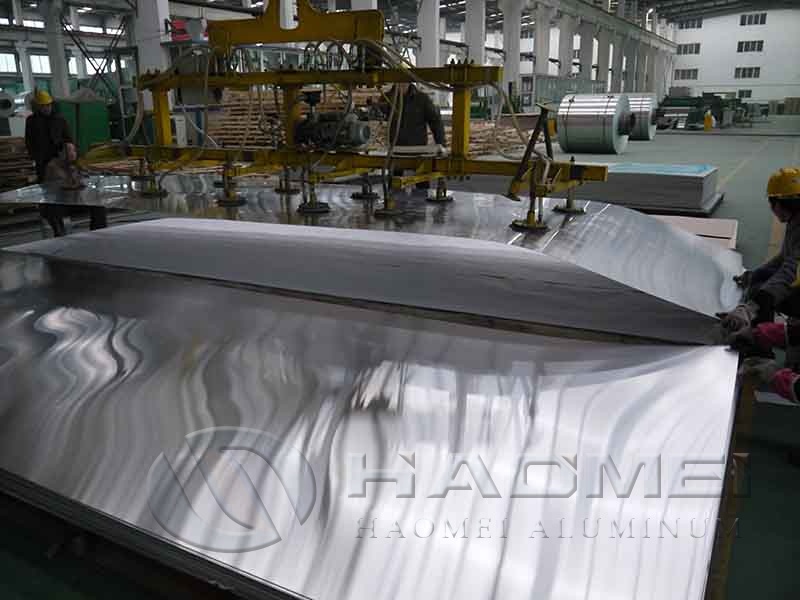
5182 vs 5083, 5454, and 5754
The table below helps narrow the alloy shortlist. It does not replace design calculations or contract specifications.
| Alloy | Relative strength | Formability | Weldability | Typical selection reason |
|---|---|---|---|---|
| 5182 | Medium-high | Very good in soft tempers | Very good | Formed welded parts, packaging-related components, tanker sections |
| 5083 | High | Moderate | Very good | Marine structures, heavy welded tanks, high-load plates |
| 5454 | Medium | Good | Very good | Hot liquid tankers, road transport tanks, chemical containers |
| 5754 | Medium | Excellent | Very good | Flooring, panels, formed parts, general corrosion-resistant fabrication |
If the tank will carry hot cargo, ask the engineering team to review service temperature and corrosion data carefully. Certain 5xxx alloys with higher magnesium require attention in elevated-temperature service because sensitization can increase susceptibility to intergranular corrosion. Standards, service codes, and customer specifications should decide acceptance, not catalog descriptions.
Ordering Data That Reduces Cost and Lead-Time Risk
Aluminum plate pricing usually follows a transparent structure: LME aluminum reference price, regional premium, conversion charge, thickness and width extras, packaging, freight, and testing costs. The London Metal Exchange publishes official aluminum prices daily, so quotations should state the pricing date or averaging period.
Before issuing an RFQ, prepare these details:
Alloy: AA5182 or EN AW-5182.
Standard: ASTM B209, EN 485, or project-specific specification.
Temper: O, H111, H112, or agreed hard temper.
Thickness, width, length, and tolerance class.
Surface: mill finish, coated, film protected, or degreased.
Required documents: chemical analysis, mechanical test report, EN 10204 3.1 certificate if accepted by contract, RoHS or REACH declaration when required.
Testing: tensile, bend, ultrasonic, corrosion, flatness, or weld trial coupons.
Packaging: seaworthy wooden pallets, moisture barrier, edge protection, and coil-eye or plate-stack orientation if applicable.
For sustainability reporting, request recycled content statements or low-carbon aluminum declarations only when the supplier can provide auditable documentation. Green claims should reference recognized programs or verified carbon footprint data rather than informal estimates.
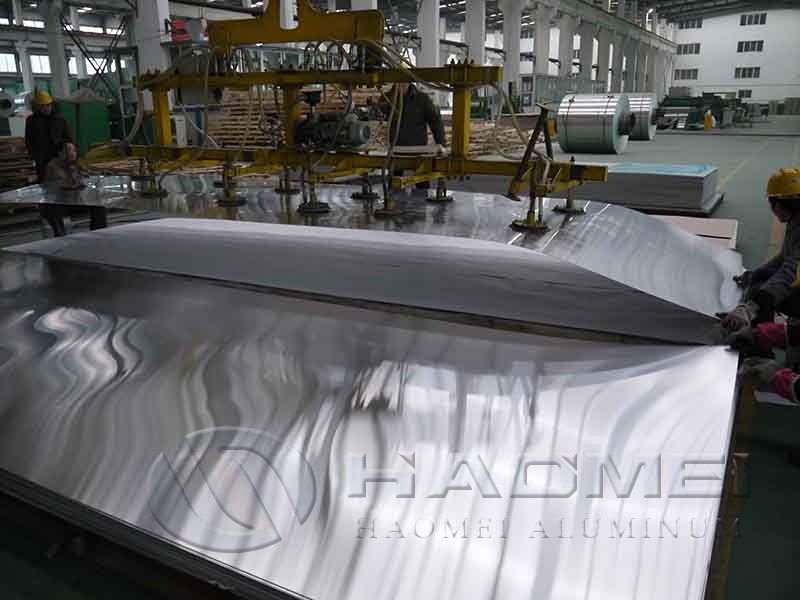
Acceptance Checklist for Incoming 5182 Plate
Use this inspection sequence to prevent disputes after cutting or forming:
Match heat number, alloy, temper, dimensions, and standard against the purchase order.
Check certificate chemistry against AA5182 or EN AW-5182 limits.
Review tensile and elongation results for the specified temper and thickness range.
Inspect surface for rolling marks, oil stains, scratches, edge cracks, and water staining.
Measure thickness, width, length, diagonal difference, and flatness before processing.
Keep samples from each heat for weld and forming trials when parts are safety-related.
Record storage conditions; keep aluminum dry and separated from alkaline materials, wet wood, and carbon steel debris.
A well-defined 5182 aluminum plate order should specify alloy, temper, test standard, tolerances, surface condition, documentation, and packing method before production begins.
Original Source:https://www.aluminumtankerplate.com/a/5182-aluminum-plate.html
Tags: 5182 aluminum plate , AA5182 plate , aluminum tanker plate , 5182 H111 , 5182 O temper ,
Prev:5083 Aluminium Plate
Next:5083 Aluminium