

5754 Aluminum Plate


Recent English-language searches and Q&A discussions around 5754 aluminum plate focus less on basic composition and more on practical selection issues: temper, welding behavior, corrosion exposure, dimensional requirements, and comparisons with nearby aluminum grades. The questions below reflect the wording and concerns commonly raised by fabricators, engineers, and sourcing teams evaluating this Al-Mg alloy.
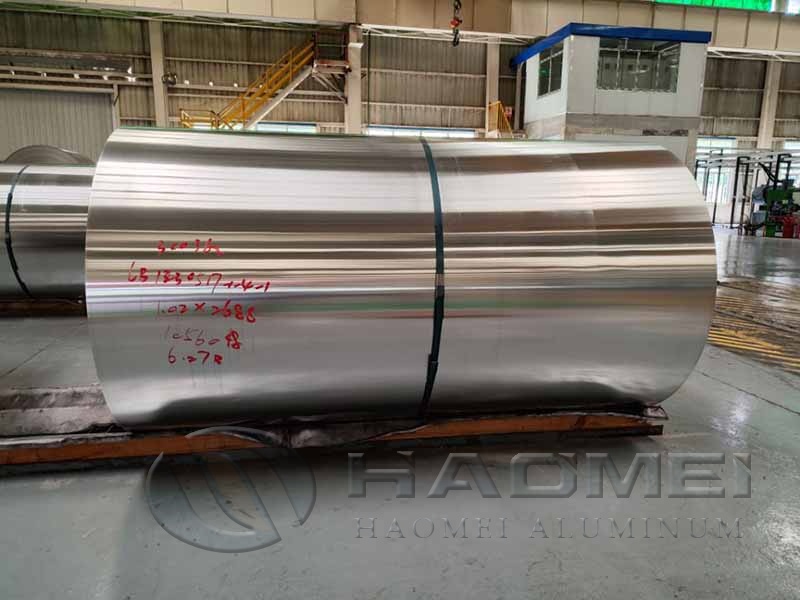
1. Is 5754 aluminum plate good for marine and saltwater applications?
Yes, 5754 aluminum plate is widely selected for saltwater-adjacent service because its magnesium-based chemistry provides strong resistance to general corrosion. It performs well in marine interiors, deck structures, gangways, vehicle bodies exposed to de-icing salts, and chemical transport equipment.
However, corrosion resistance is not determined by alloy designation alone. Surface condition, drainage design, crevice geometry, fastener selection, and welding practice all affect long-term performance. A 5754 part that traps seawater under a gasket or against stainless steel hardware can corrode locally even though the base alloy itself has good corrosion resistance.
For continuously immersed, high-strength marine structures, 5083 may be considered because it generally offers higher strength. For formed marine panels and moderate-strength components, 5754 is often an efficient balance of corrosion resistance, formability, and cost control. Product details for Aluminum 5754 can help verify available tempers and dimensional ranges before a project specification is finalized.
| Application environment | Suitability of 5754 aluminum plate | Important consideration |
|---|---|---|
| Coastal vehicle bodywork | Very suitable | Use compatible fasteners and seal joints |
| Marine interior structures | Very suitable | Select temper according to forming needs |
| Splash-zone equipment | Suitable | Avoid standing saltwater and tight crevices |
| Fully immersed structural service | Possible, project dependent | Compare strength needs with 5083 |
| Chemical transport bodies | Very suitable | Confirm the transported chemical and temperature |
2. What is the best temper for 5754 aluminum plate: O, H111, H22, or H32?
The best temper depends on whether the part will be deeply formed, lightly bent, welded, or used mainly as a flat structural panel. Unlike heat-treatable alloys, 5754 gains strength primarily through cold working. That means a harder temper generally provides more strength but less forming latitude.
O temper is fully annealed and is generally chosen when severe forming, deep drawing, or complicated shaping is required.
H111 has light strain hardening and is a common choice for fabricated structures requiring a practical mix of workability and strength.
H22 is strain hardened and partially annealed, offering moderately higher strength while retaining useful bend performance.
H32 is more strain hardened and stabilized, making it suitable for panels and components where improved dent resistance and strength are needed.
A common mistake is specifying the strongest available temper without checking bend radius or forming direction. If a component requires press-braking, flanging, or rolling, the fabricator should define the minimum inside bend radius, bend orientation, and final geometry before selecting H32 or a harder option.
3. Can 5754 aluminum plate be welded without losing too much strength?
5754 aluminum plate has good weldability using MIG or TIG processes, especially when joints are properly cleaned and filler metal is selected for the service environment. It is commonly used in transport structures, tanks, platforms, and fabricated enclosures because welding is straightforward compared with many high-strength aluminum grades.
The key point is that cold-worked tempers soften in the heat-affected zone. A plate supplied in H32 temper will not retain its full cold-worked strength immediately next to a weld. Engineers should therefore base welded-joint calculations on applicable design data for the welded condition, rather than the parent-material temper alone.
For practical fabrication, remove oxide and contamination before welding, maintain dry filler material, and avoid excessive heat input. Appropriate filler selection depends on the joint design and exposure conditions; 5356-class fillers are often considered for magnesium-bearing aluminum alloys, but the final choice should follow the applicable welding procedure and project code.
4. Is 5754 aluminum plate suitable for tanker trucks and chemical transport equipment?
5754 is frequently evaluated for tank truck cladding, tank components, protective panels, sidewalls, and transport structures due to its corrosion resistance, weldability, and favorable forming response. It can be especially useful where moderate strength and repeated exposure to moisture, road salts, or selected chemicals are expected.
Suitability for a tank body itself depends on much more than the alloy name. The transported medium, concentration, operating temperature, cleaning chemicals, pressure requirements, local transport regulations, weld qualification, and fatigue design must all be checked. An alloy that performs well with water-based or mildly corrosive cargo may not be appropriate for every chemical.
For transport-related projects, Tanker Plate specifications should be assessed alongside thickness, width, flatness, surface requirements, and certification needs. Wide-format material can reduce longitudinal joints, but it may also require special handling equipment and a clear flatness agreement.
5. What thickness tolerance and surface condition should I specify for 5754 aluminum plate?
This is one of the most important purchasing questions because nominal thickness alone does not define usable material. A fabrication drawing may state 4.0 mm, but a successful order should also address allowable thickness variation, width and length tolerance, flatness, edge condition, protective film, and surface quality.
For visible vehicle panels or anodized decorative parts, define surface expectations early. Marks from handling, roller impressions, minor scratches, and protective-film residue may be acceptable for industrial fabrication but unacceptable for appearance-critical parts. For welded structures, mill finish is often sufficient, while cosmetic applications may need stricter inspection criteria.
| Specification item | Why it matters | Example requirement to discuss |
|---|---|---|
| Thickness tolerance | Controls final fit and structural calculations | Tolerance according to the requested standard |
| Flatness | Affects laser cutting, bending, and assembly | Maximum deviation over a stated length |
| Edge condition | Influences handling and weld preparation | Mill edge, trimmed edge, or deburred edge |
| Surface condition | Prevents disputes over appearance | Mill finish with no deep dents or oxidation stains |
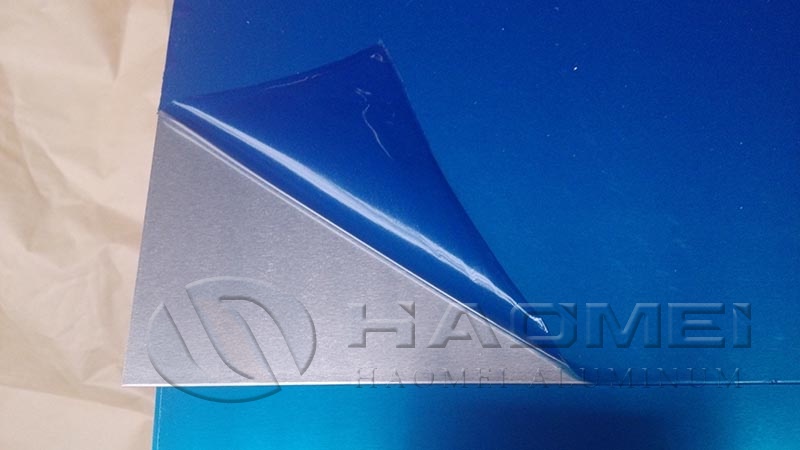
| Protective film | Helps protect visible faces during fabrication | One-side film, removable after forming |
| Documentation | Supports traceability and compliance | Mill test certificate and alloy-temper identification |
When requesting 5754 aluminum plate, provide the intended application, temper, dimensions, tolerance standard, required certificates, and whether welding or forming will occur. This gives the supplying mill or processor enough information to match the material condition to the fabrication process.
Original Source:https://www.aluminumtankerplate.com/a/5754-aluminum-plate.html
Tags: 5754 aluminum plate , aluminum 5754 , marine aluminum plate , tanker plate ,
Prev:Aluminum 5754