

Lightweight Tanker Design with Aluminum Plate


Compared to carbon steel tank trucks of the same specifications, aluminum alloy tank trucks can reduce weight by 20%-40%. The lightweight body not only increases cargo capacity and improves transportation efficiency, but also reduces fuel consumption and wear and tear on vehicle parts, saving fuel and maintenance costs, truly achieving the dual value of cost reduction, efficiency improvement, and environmental protection.
Tank truck transportation operates under complex conditions, enduring long-term tests of bumpy loads, media corrosion, alternating high and low temperatures, and high pressure. This places stringent requirements on the strength, corrosion resistance, weldability, and low-temperature toughness of materials. Not all aluminum alloys are suitable for tank truck manufacturing.
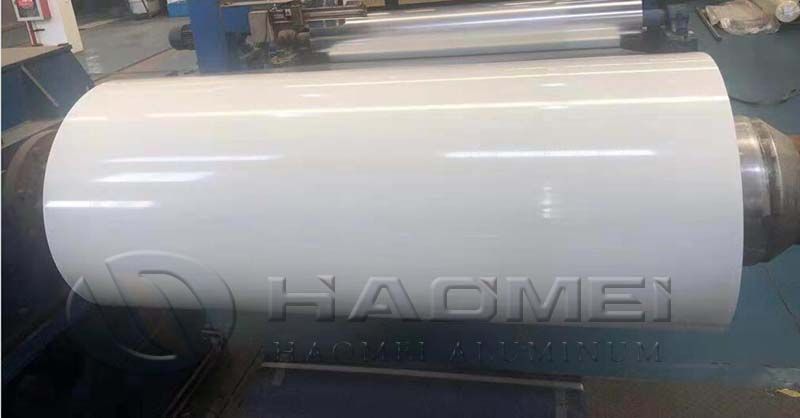
Among them, 5083 and 5059 aluminum-magnesium alloys have undergone extensive engineering verification, demonstrating performance that matches the core manufacturing needs of tank trucks, and are currently the most widely used mainstream sheet metal in commercial tank trucks.
1. 5083 Alloy
5083 aluminum sheet is the most mature medium-strength aluminum-magnesium alloy specifically for tank trucks, with a density of only 2.66 g/cm³, less than one-third that of steel, offering significant lightweight advantages. This alloy, optimized through a special process, exhibits excellent plasticity, weldability, and corrosion resistance. Its weld formation is stable and less prone to cracking, making it suitable for integral welding processes of large tanks. It is the preferred material for transporting atmospheric pressure liquids, food, and general chemical media.
Its resistance to intergranular corrosion and stress corrosion is outstanding, and it can withstand rainwater, salt spray, and most neutral media corrosion, eliminating the need for additional anti-corrosion coatings and significantly reducing production and maintenance costs. It also possesses excellent low-temperature toughness, withstanding temperatures as low as -162℃ without easily becoming brittle, making it suitable for transportation across the country and in low-temperature environments.
Tank trucks using 5083 aluminum alloy are more than 30% lighter than carbon steel tanks, achieving high-quality lightweight transformation while ensuring structural safety and compliance.
2. 5059 Aluminum Plate
5059 aluminum is an upgraded, high-strength version of 5083 alloy, effectively solving the pain point of traditional aluminum materials' inability to simultaneously achieve lightweight and high strength. It is a high-end material for hazardous chemicals, high-pressure storage tanks, and heavy-duty tank trucks.
This alloy boasts a tensile strength of up to 350 MPa, surpassing the strength performance of 5083. Under the same pressure and impact conditions, the thickness of 5059 plates can be reduced by 15%-20%, and the tank weight can be further reduced by 8%-12% compared to 5083, offering higher safety redundancy and superior weight reduction.
Simultaneously, it maintains excellent weldability and corrosion resistance, exhibiting stronger adaptability to organic solvents and mildly corrosive chemical media. The tank structure is stable, less prone to deformation and leakage under bumpy road conditions, meeting the high-precision and stringent safety requirements for transporting hazardous chemicals.
3. How Lightweight Aluminum Plates Comprehensively Improve Tank Truck Transportation Efficiency and Load Capacity
The lightweight characteristics of aluminum alloys fundamentally improve the transportation efficiency and load capacity of tank trucks. Traditional carbon steel tank trucks are excessively heavy, occupying a significant portion of the vehicle's weight allowance, resulting in an actual cargo capacity far below the theoretical standard.
Aluminum alloy tank trucks can reduce the overall weight by 3-5 tons, all of which is converted into effective cargo capacity, significantly increasing the single-trip transport volume and the average annual transport tonnage per vehicle. This helps logistics companies improve revenue and turnover efficiency within compliance regulations.
In terms of operating costs, the lightweight tank body reduces driving resistance and engine load, resulting in a 10%-15% reduction in fuel consumption compared to carbon steel tank trucks. The fuel savings for long-haul transportation are considerable.
Aluminum alloys have a dense protective oxide film, providing strong corrosion and oxidation resistance. The tank body has a service life of 15-20 years, far exceeding that of carbon steel tanks, and requires no frequent rust removal or anti-corrosion treatment, resulting in lower maintenance costs and higher vehicle uptime.
Furthermore, both core aluminum materials have passed rigorous pressure, impact, and fatigue tests. 5083 is suitable for conventional transportation conditions with sufficient toughness; 5059 is suitable for heavy-duty, high-pressure, and complex road conditions with extremely high stability. This completely dispels the misconception that lightweighting sacrifices safety, effectively avoiding transportation failures and delays, and ensuring safe and efficient transportation throughout the entire process.
Original Source:https://www.aluminumtankerplate.com/a/lightweight-tanker-design-with-aluminum-plate.html
Tags: 5083 aluminum plate ,
Prev:5083 Aluminium
Next:5182 Aluminum Sheet