

Aluminium 5083 H111


Aluminium 5083 H111 is one of the most widely used Al-Mg alloy tempers for tank trucks, semi-trailer tanks, pressure-related transport vessels, and special vehicle structures. It offers a practical balance of strength, weldability, corrosion resistance, and forming performance. For companies purchasing aluminum sheet in large volumes, understanding this grade helps reduce fabrication risk, control cost, and match the plate to the actual cargo and vehicle design.
In road transport tanks, weight reduction is a direct operating advantage. Compared with carbon steel, aluminum alloy can reduce tare weight, allowing higher payload under legal axle limits. It also helps improve fuel efficiency and reduce maintenance related to corrosion. However, tank manufacturing is not only about selecting a famous alloy number. Temper, thickness tolerance, surface quality, certification, and supplier stability all affect the final tank body.
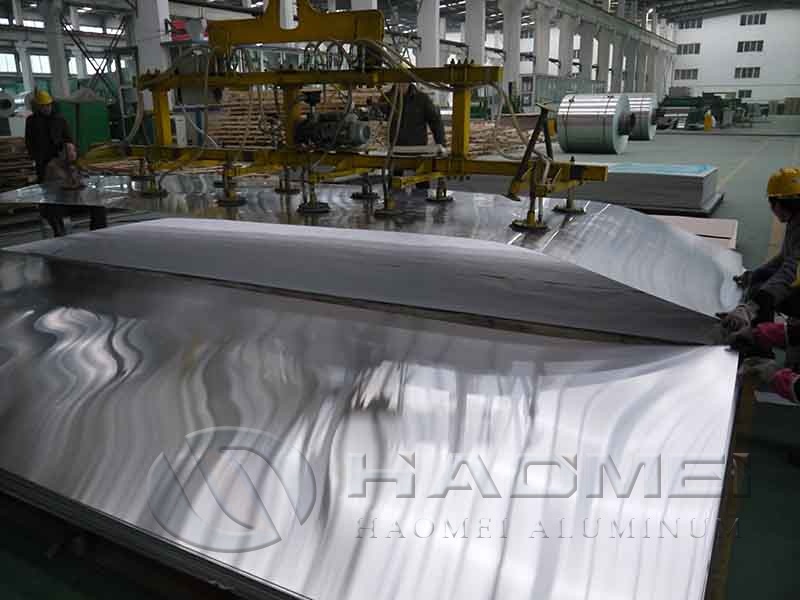
What Aluminium 5083 H111 Means for Tank Truck Manufacturing
5083 is a non-heat-treatable aluminum-magnesium-manganese alloy. Its strength mainly comes from magnesium solid solution strengthening and controlled rolling, not from heat treatment. The H111 temper means the material has been annealed and then slightly strain-hardened by operations such as stretching or leveling. In simple terms, it is softer and more formable than harder H tempers, while still offering useful mechanical strength.
This is why aluminium 5083 h111 is often selected for curved tank shells, dished ends, partition plates, wave breakers, and structural parts that need forming and welding. It performs well in MIG and TIG welding when suitable filler metals and procedures are used. After welding, non-heat-treatable aluminum alloys do not regain strength by artificial aging, so design engineers must consider the welded joint efficiency and heat affected zone properties.
For bulk liquid transport, corrosion resistance is another major reason for choosing 5083. It has good resistance in marine and industrial atmospheres, and it is often used where chloride exposure or road salt is expected. Cargo compatibility still needs professional confirmation, especially for chemicals, edible liquids, and hazardous substances. The alloy grade alone does not approve a tank for every medium.
For producers comparing grades, Aluminium 5083 is usually positioned as a higher-strength 5xxx option, while 5454, 5754, 5182, and 5059 may be considered depending on forming depth, temperature, corrosion environment, and cost target.
| Item | Practical Meaning for Tank Fabrication |
|---|---|
| Alloy family | 5xxx Al-Mg alloy, non-heat-treatable |
| Temper | H111, slightly strain-hardened after annealing |
| Main advantages | Good weldability, corrosion resistance, formability, medium-high strength |
| Common uses | Tank shells, heads, baffles, bulkheads, side guards, special vehicle parts |
| Typical purchasing form | Sheet and plate, often supplied with mill test certificate |
| Important standards | ASTM B209, EN 485 series, customer drawings, applicable tank regulations |
How 5083 H111 Compares With Other Tank Truck Plate Options
No single aluminum grade fits every tank project. 5083 H111 is valued where strength and durability are important, but other 5xxx alloys also have strong market demand. For example, 5454 is often used for hot liquid or petroleum transport applications because of its performance in elevated-temperature service compared with some other Al-Mg alloys. 5754 is popular where excellent forming and moderate strength are needed. 5182 may be used in automotive and transport applications requiring good formability.
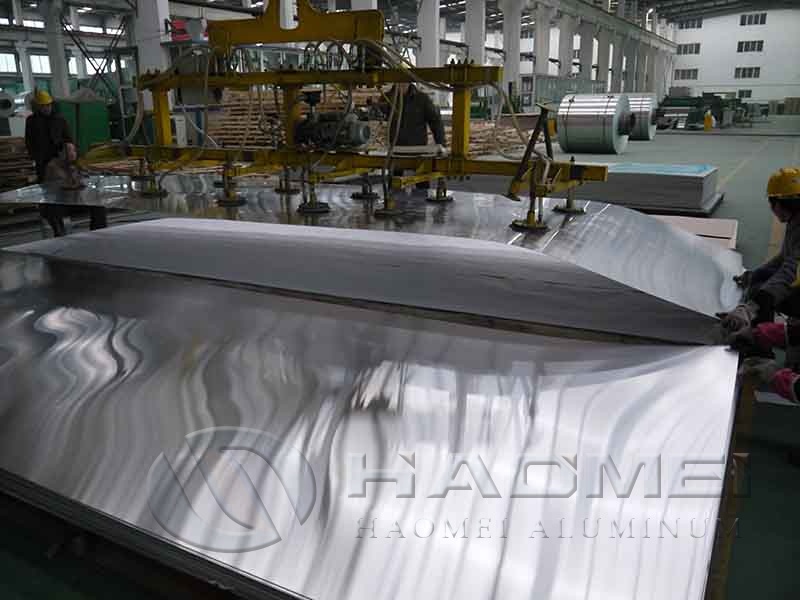
The table below shows common comparisons for procurement teams and vehicle manufacturers. Exact values depend on national standard, thickness, mill practice, and test direction, so the mill certificate should always be checked before production release.
| Grade and Temper | General Strength Level | Forming Performance | Typical Tank or Vehicle Use | Purchasing Note |
|---|---|---|---|---|
| 5083 H111 | Medium-high | Good | Tank shells, heads, baffles, heavy-duty special vehicles | Strong choice when welding and corrosion resistance are both important |
| 5454 H111/H32 | Medium | Good | Fuel tanks, hot liquid transport, road tankers | Often evaluated for petroleum and elevated-temperature service |
| 5754 H111/H22 | Medium | Excellent | Formed panels, light tanks, vehicle body parts | Attractive when forming depth is a priority |
| 5182 O/H111 | Medium | Very good | Automotive and transport components | Often selected for forming-intensive parts |
| 5059 H111/H321 | High | Good | Demanding marine and transport structures | Higher strength option, usually at a higher price level |
For tank truck projects, material thickness is normally selected by the tank design, working condition, compartment layout, and regulatory calculation. Typical shell thicknesses may range from several millimeters upward, but the correct specification must come from the approved design drawing and applicable code. When ordering a Tanker Plate, the purchase order should state alloy, temper, thickness, width, length, surface requirement, standard, tolerance class, and certificate requirements.
Purchasing Checks for Bulk Orders of Aluminium 5083 H111
Large-volume purchasing should focus on consistency rather than only the lowest unit price. A small saving per ton can be lost quickly if plates crack during forming, show unstable mechanical properties, or arrive with surface defects that affect welding and appearance.
First, confirm the standard and certificate. Reliable suppliers should provide a mill test certificate showing chemical composition, mechanical properties, temper, dimensions, heat or batch number, and reference standard. Commonly referenced standards include ASTM B209 for aluminum sheet and plate and EN 485 for aluminum and aluminum alloy sheet, strip, and plate. If the tank will be used for dangerous goods transport, the finished tank must also comply with relevant regional transport and pressure-related regulations, such as ADR in applicable markets, plus local inspection rules.
Second, inspect surface and flatness. Tank shell plates need clean surfaces for welding and forming. Excessive oil, scratches, dents, oxidation stains, edge cracks, and poor flatness can reduce production efficiency. Protective film, paper interleaving, wooden pallets, moisture barriers, and stable strapping are important for sea freight and long-distance delivery.
Third, pay attention to weldability and fabrication route. 5083 H111 is weldable, but welding quality depends on filler selection, joint design, cleaning, shielding gas, heat input, and welder qualification. Common filler choices for 5xxx alloys include 5183 or 5356, depending on design requirements and service conditions. Fabricators should avoid contamination from steel tools, cutting dust, or moisture because these can cause porosity and surface defects.
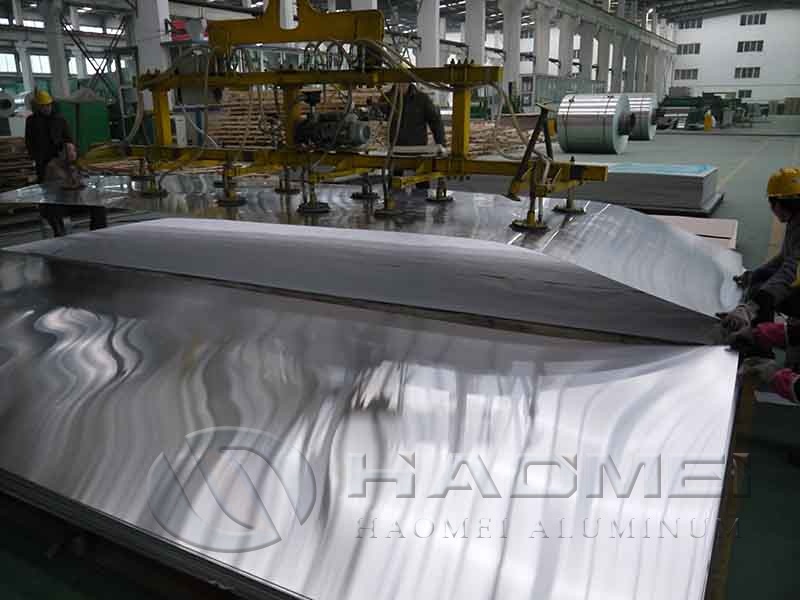
Fourth, match the plate to the cargo. Fuel, edible oil, milk, water, chemicals, and dry bulk materials create different requirements. Food-grade transport may require special internal polishing, cleaning procedures, and hygiene compliance. Chemical tanks need compatibility review by qualified engineers. Do not assume that one alloy automatically suits every corrosive medium.
Fifth, manage cost through market timing and contract structure. Aluminum plate pricing is usually influenced by primary aluminum ingot price, magnesium cost, rolling conversion fee, energy cost, freight, exchange rate, and regional supply-demand cycles. During high-demand periods for vehicle manufacturing, lead times may extend and mills may prioritize repeat orders with stable specifications. For annual or quarterly demand, many purchasers use framework agreements, rolling forecasts, and batch delivery schedules to reduce price volatility and inventory pressure.
| Purchase Item | What to Specify in the Order |
|---|---|
| Alloy and temper | Aluminium 5083 H111, or approved alternative grade |
| Dimensions | Thickness, width, length, quantity, tolerance requirement |
| Standard | ASTM B209, EN 485, or customer-approved specification |
| Certificate | Mill test certificate with heat or batch traceability |
| Surface | Mill finish, clean surface, no harmful scratches, optional film protection |
| Packing | Export wooden pallet, waterproof wrapping, edge protection, clear labels |
| Delivery | Batch schedule, inspection point, shipping method, destination requirements |
A professional supplier should also understand rolling capability. Wide tank plates reduce welding seams and can improve production efficiency, but wide-width material requires stronger mill control over flatness, thickness tolerance, and residual stress. For curved shells and dished heads, stable elongation and predictable forming behavior are just as important as tensile strength.
When comparing quotations, evaluate total manufacturing value: qualified yield, delivery reliability, traceability, plate width availability, after-sales response, and experience with tank truck materials. Aluminium 5083 H111 is a proven choice, but the best purchasing decision comes from matching certified material to design, cargo, fabrication process, and long-term fleet performance.
Original Source:https://www.aluminumtankerplate.com/a/aluminium-5083-h111.html
Tags: aluminium 5083 h111 , tank truck aluminum plate , 5083 aluminum sheet , tanker plate ,
Prev:5083 Aluminum Plate
Next:5754 Aluminum Sheet