

Aluminum Sheet for Fuel Tanker


Fuel tanker manufacturers and fleet operators usually focus on one issue first: corrosion resistance in long-term service. For road tankers carrying gasoline, diesel, aviation fuel, or chemicals, the wrong alloy can increase maintenance cost, shorten tank life, and create compliance risk.
This article explains how to select Aluminum sheet for fuel tanker use with clear comparisons, relevant standards, and a practical checklist for sourcing.
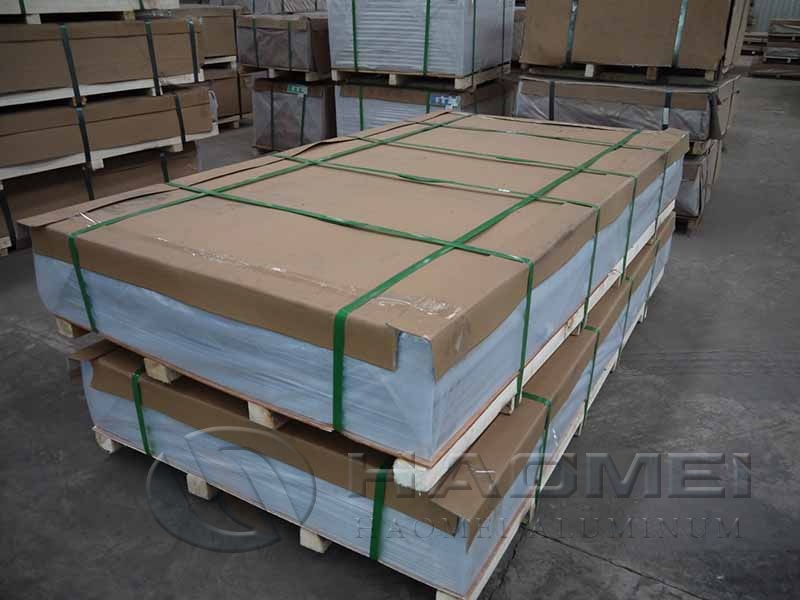
Why 5454 is often preferred for fuel tanker bodies
Among non-heat-treatable Al-Mg alloys, 5454 is widely used for tanker applications because it offers a strong balance of:
Good resistance to corrosion
Better performance at moderately elevated temperatures than 5083 in some service conditions
Reliable weldability
Useful strength-to-weight ratio for transport equipment
For many tanker designs, Aluminum 5454 is selected for shell plates, heads, and structural sections where the tank must remain light but durable.
Typical aluminum tanker alloys also include Aluminium 5083, 5182, and 5754. In practice, alloy choice depends on cargo type, route conditions, fabrication method, and the target design code.
5454 vs 5083 for tanker applications
The most common comparison in this sector is 5454 versus 5083. Both are marine-grade style aluminum-magnesium alloys with excellent weldability, but they are not interchangeable in every project.
| Item | 5454 aluminum sheet | 5083 aluminum sheet |
|---|---|---|
| Main advantage | Good corrosion resistance and suitability for tanker service | Higher strength among common non-heat-treatable alloys |
| Typical tanker use | Fuel and liquid tanker bodies, pressure-related transport structures | Higher-strength transport, marine, cryogenic, structural uses |
| Weldability | Excellent | Excellent |
| Formability | Good | Good, but may vary with temper and thickness |
| Cost trend | Often competitive for tanker use | Often slightly higher, depending on market and temper |
| Main selection factor | Corrosion performance in service + fabrication economy | Strength requirement + code/design preference |
For many fuel tanker projects, 5454 is chosen not because it is the strongest option on paper, but because it is a practical alloy for welded tank shells exposed to outdoor service, road salts, and repeated loading.
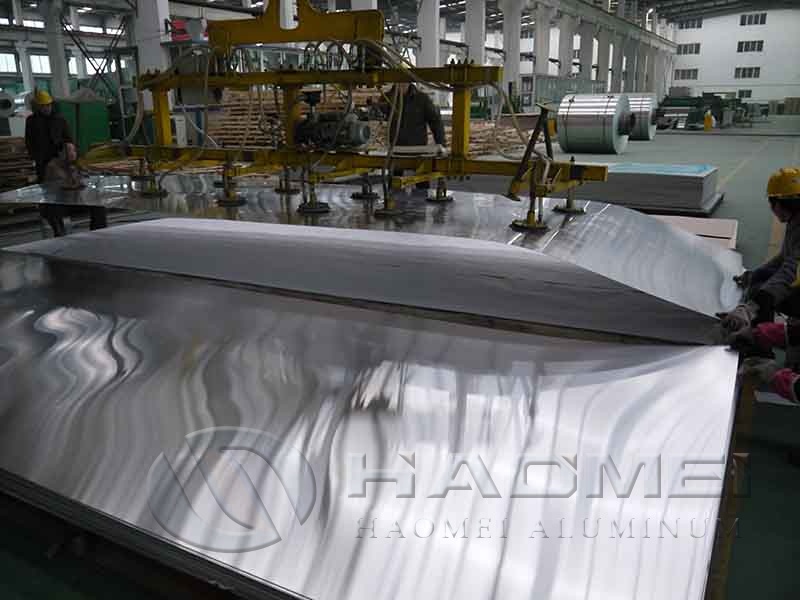
What specifications should be checked before ordering
Do not evaluate tanker plate by alloy name alone. Confirm these items before placing an order.
1. Temper and mechanical properties
Common tempers include H111, H112, and H32, depending on forming and strength requirements. Mechanical properties must be matched to the fabrication route and the applicable design code.
For aluminum-magnesium alloy plate, internationally recognized product standards include:
ASTM B209 for aluminum and aluminum-alloy sheet and plate
EN 485 series for wrought aluminum products
EN 573 for chemical composition designation
If the tank is being built for European road transport, the fabricator may also need to verify compatibility with ADR-related tanker requirements and EN standards used in tanker design and construction.
2. Thickness tolerance
Thickness affects welding, bending, final volume, and tare weight. Typical tanker plate thickness can vary by design, but many road tanker shells are produced in ranges such as 4 mm to 7 mm, while baffles, heads, and reinforcements may differ.
Ask for:
Nominal thickness
Minimum guaranteed thickness
Standard tolerance reference
Flatness data for long plate lengths
3. Surface quality
For tanker fabrication, surface consistency matters because defects can affect forming and welding.
Check for:
Scratches and roller marks
Edge cracks
Oil contamination
Lamination indications
Plate flatness after cutting
4. Traceability and test documents
At minimum, request:
Mill test certificate
Heat number traceability
Chemical composition report
Mechanical property report
Relevant standard declaration
Compliance and safety points that matter
Fuel tanker material selection is not just a pricing decision. It must fit the compliance framework used by the manufacturer.
Relevant references often include:
ASTM B209
EN 485
EN 573
ADR, the European Agreement concerning the International Carriage of Dangerous Goods by Road
EN 13922, commonly referenced for metallic tanks used for dangerous goods transport
Because final compliance depends on tank design, welding procedure, inspection, and operating jurisdiction, material should always be checked against the fabricator's approved drawings and certification route.
Price: what actually changes the cost per ton
Market pricing for tanker aluminum plate changes with LME aluminum trends, alloy surcharge, plate thickness, width, temper, order quantity, and certification requirements. A quote for 5454-H111 in wide plate will not match a quote for thinner 5083-H32 sheet.
Instead of relying on a fixed online number, compare quotations using the same basis:
| Pricing factor | Effect on quote |
|---|---|
| Alloy | 5454, 5083, 5182, and 5754 usually differ in premium |
| Thickness and width | Wider and thicker plate often carries a higher processing cost |
| Temper | Some tempers have tighter production control |
| Certification | Extra testing and documents increase cost |
| Quantity and repeat orders | Larger scheduled demand may improve unit price |
| Delivery condition | Cut-to-length, PVC, or special packing adds cost |
A useful way to compare offers is cost per usable square meter, not only cost per ton. This helps when tolerances and actual delivered thickness are different.
Practical sourcing checklist for tanker plate
Use this checklist when evaluating Tanker Plate supply:
Confirm alloy: 5454, 5083, 5182, or 5754
Confirm temper: H111, H112, H32, or project-specific requirement
Verify standard: ASTM B209 or EN equivalent
Match width and length to shell rolling equipment
Check weldability requirements for the chosen filler and process
Request mill test certificate and heat traceability
Review flatness and surface quality photos before shipment
Confirm packing method for long-distance sea transport
Ask whether the material has prior tanker project references
Common selection mistakes to avoid
Choosing alloy based only on tensile strength.
Ignoring service environment, including salt exposure and fuel residues.
Overlooking plate width, which affects rolling efficiency and weld seam count.
Comparing prices without matching temper, tolerance, and certification.
Skipping traceability documents for regulated transport equipment.
For companies producing tank trucks, semi-trailers, or stationary fuel tanks, the most reliable route is to define the alloy, temper, dimensions, and compliance documents before asking for quotations. That reduces rework, speeds technical approval, and helps ensure the material performs as expected in welded tanker service.
Original Source:https://www.aluminumtankerplate.com/a/aluminum-sheet-for-fuel-tanker.html
Tags: Aluminum sheet for fuel tanker , 5454 aluminum sheet , tanker aluminum plate , fuel tanker material , EN 13922 , ADR tanker ,
Prev:5454 Aluminum
Next:5083 Aluminum Plate