

Global Tank Truck Manufacturing Materials Market Share


From a global market perspective, steel and aluminum alloys are the primary materials used in tank truck manufacturing, together accounting for over 90%. Stainless steel and composite materials, due to cost or performance limitations, currently have a relatively lower market share, but their application demand in specialized scenarios is gradually increasing.
1. Steel
Steel, with its advantages of low cost, high strength, and ease of processing, has long dominated the tank truck manufacturing materials market, maintaining a stable global market share of around 60%. Carbon steel is the most significant sub-category, accounting for over 80% of total steel usage.
It is widely used in tank trucks transporting non-corrosive media such as ordinary liquids and powders, especially in cost-sensitive regions like North and Northwest China, where the penetration rate of carbon steel tank trucks exceeds 70%.
Stainless steel, as a high-end category of steel, possesses excellent corrosion resistance, making it suitable for specialized transportation needs such as food-grade and highly corrosive chemicals, and accounts for approximately 15% of the market.
Commonly used stainless steel grades include 304 and 316L. 316L stainless steel, due to its superior acid and alkali resistance, is widely used in the manufacture of chemical hazardous materials tank trucks; while 316LN stainless steel is gradually being applied in demonstration scenarios for tank trucks transporting new energy sources such as liquid hydrogen.
2. Aluminum Alloys
Aluminum alloys, with their core advantages of being lightweight, corrosion-resistant, and recyclable, have become the main driver of growth in the tank truck material market in recent years, with a global market share now reaching approximately 25% and an average annual compound growth rate of 12.5%.
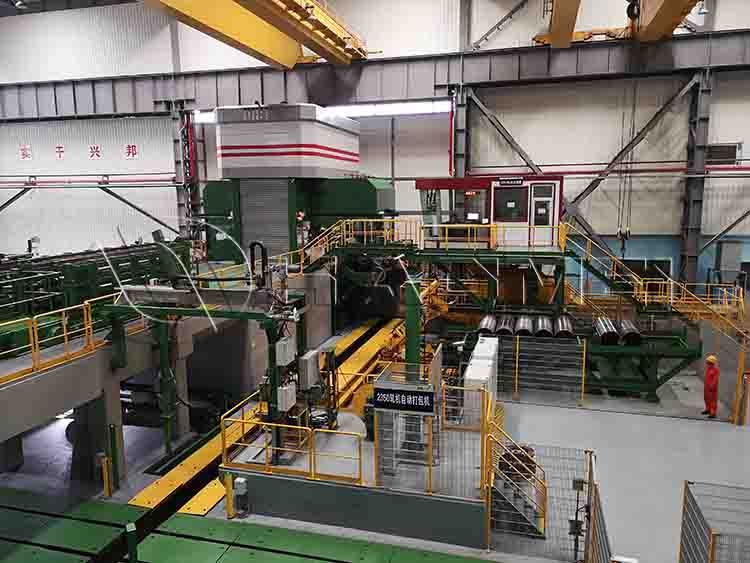
Compared to carbon steel tank trucks, all-aluminum alloy tank trucks can reduce the curb weight by 3-4 tons, lowering the curb weight coefficient to 0.42-0.48. This significantly increases payload and reduces fuel consumption; every 10% reduction in curb weight achieves fuel savings of 3.8%-5.2%, perfectly aligning with global "dual-carbon" goals and the logistics industry's need for cost reduction and efficiency improvement. The penetration rate of aluminum alloy tank trucks exhibits regional differences.
In regions with concentrated high-end transportation demand, such as East and South China, the penetration rate of aluminum alloy tank trucks has exceeded 35%, mainly used for transporting high-end media such as LNG and aviation fuel. In developing regions, however, due to cost constraints, the growth of aluminum alloy tank trucks is still primarily a gradual replacement of carbon steel.
3. Other Materials
Besides steel and aluminum alloys, composite materials and fiberglass account for less than 5% of the total, mainly used in the manufacture of special tank trucks. For example, fiberglass, due to its corrosion resistance and good insulation, is used for transporting highly corrosive media such as acids and alkalis; carbon fiber composites, with their extreme lightweight advantage, are being piloted in high-end special tank trucks, but due to high costs, large-scale adoption has not yet been achieved.
Tank Truck Aluminum Plates
1. 5454 Aluminum Alloy
5454 aluminum alloy belongs to the Al-Mg series and is a core material for manufacturing oil tank trucks and chemical tank trucks. Its strength is 20% higher than that of the same series 5052 aluminum alloy. It also possesses excellent resistance to seawater and chloride corrosion, and its surface is less prone to oxide layer formation, making it suitable for various media transportation needs.
In terms of specifications, 5454 tanker aluminum plate sheet is typically 5.0-8.0mm thick, 1500-3450mm wide, and can be customized up to 16000mm in length. It conforms to standards such as GB/T 3880 and ASTM B209. Some high-end products have also obtained certifications such as CCS and DNV, meeting international export requirements.
2. Aluminum Tread Plate
Aluminum non-slip tread plate , with its anti-slip and wear-resistant properties, has become a specialized material for tank truck operating platforms and tank surfaces, accounting for approximately 10% of the usage in aluminum alloy tank trucks. Its patterns are diverse, including five-ribbed, diamond, and orange peel textures.
Among them, the five bar pattern has the highest anti-slip coefficient (reaching R10-R12 level) and is widely used in the operating platform on the top of tank trucks, effectively improving operational safety in humid and oily environments.
3. Other Commonly Used Aluminum Alloys
Besides 5454 and patterned aluminum plates, 5083 and 5182 aluminum alloys are also important materials for tank truck manufacturing. 5083 aluminum alloy is one of the most widely used aluminum alloys for tank trucks. The H111 temper is suitable for tank body manufacturing, the O temper can be used for tank truck heads, baffles, and other parts that require bending and forming, and the H321 temper, due to its excellent resistance to stress corrosion cracking, is used for components such as level gauges and air inlets in high-pressure environments.
5182 aluminum alloy, with its higher tensile strength and corrosion resistance, allows for a 0.5-1mm reduction in tank body thickness in oil tank truck manufacturing, further improving lightweight.
Original Source:https://www.aluminumtankerplate.com/a/global-tank-truck-manufacturing-materials-market-share.html
Tags: 5454 aluminum sheet ,
Prev:Differences Between 5083 and 5754 Aluminum in Tank Truck Manufacturing