

5083 Aluminum Alloy Plate


5083 aluminum alloy plate is widely used in tank trucks, fuel transport equipment, chemical tank bodies, and special vehicles that need low weight and dependable corrosion resistance. As a non-heat-treatable aluminum-magnesium alloy, it combines good weldability with useful strength in thick plate. These characteristics can help vehicle manufacturers reduce tare weight while maintaining practical payload capacity.
For tank construction, material selection should never rely on alloy name alone. The cargo medium, plate thickness, temper, forming method, welding procedure, inspection standard, and local transport regulations all affect whether a plate is suitable for the finished vehicle. Procurement teams should define these items before requesting quotations.
Why 5083 Is Used for Tank Truck Bodies
5083 belongs to the 5xxx series of aluminum alloys. Its principal alloying element is magnesium, with manganese and chromium contributing to its performance. Unlike heat-treatable alloys, its strength is obtained mainly through strain hardening and temper selection. Common plate tempers include H111, H116, and H321, although the appropriate condition depends on design and fabrication requirements.
For tank truck applications, 5083 is valued for several practical reasons:
Good corrosion resistance in many atmospheric and transport environments.
Strong welding performance when appropriate filler metal and qualified procedures are used.
Lower density than steel, supporting weight reduction.
Good toughness and formability for rolled shells, heads, baffles, and structural sections.
Availability in wide, heavy-gauge plate suitable for cylindrical tank fabrication.
A properly specified Aluminium 5083 product can be used for tank shells, end caps, internal partitions, walkways, and selected structural parts. However, compatibility with the transported cargo must be assessed separately. Certain chemicals, strongly alkaline products, and contamination conditions can require alternative materials, coatings, or dedicated tank designs.
| Property | Relevance to Tank Truck Manufacturing |
|---|---|
| Low density | Supports lower vehicle tare weight and potentially higher payload capacity. |
| Weldability | Important for longitudinal seams, circumferential seams, baffles, and attachments. |
| Corrosion resistance | Helps protect the tank exterior and supports service in humid or road-salt environments. |
| Non-heat-treatable structure | Temper and fabrication history must be controlled instead of relying on post-weld heat treatment. |
| Plate availability | Wide and thick plate can reduce weld seams and improve production efficiency. |
Mechanical values vary by thickness, temper, and applicable standard. Do not use general catalog figures as the design basis. Certificates for the supplied lot should state actual chemical composition, tensile properties, dimensions, and the governing product standard.
Temper, Thickness, and Compliance Requirements
The choice between H111, H116, and H321 should be coordinated with the tank designer and fabricator. H111 is often selected where forming is important and moderate strain hardening is acceptable. H116 and H321 are controlled tempers frequently considered where corrosion resistance and stable properties are important in demanding environments. The final selection must match the approved vehicle design and service conditions.
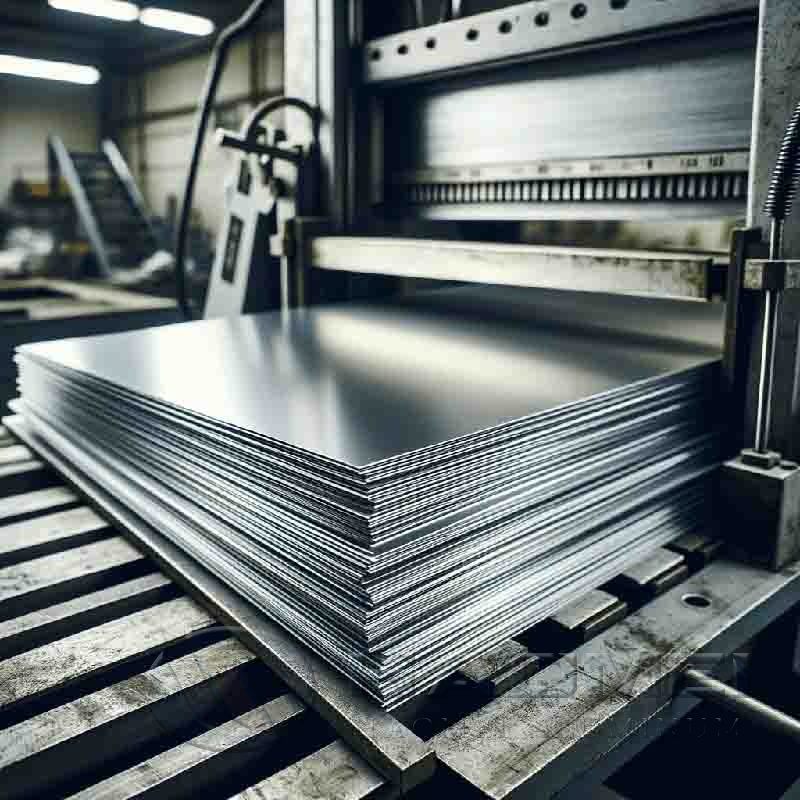
Plate thickness is determined by tank diameter, cargo density, internal pressure or vacuum conditions, compartment arrangement, support spacing, fatigue loading, and legal transport rules. Increasing thickness may improve stiffness, but it also raises vehicle weight and material cost. A quotation should therefore identify nominal thickness, acceptable thickness tolerance, width, length, flatness requirement, and edge condition.
Common reference standards may include ASTM B209 for aluminum and aluminum-alloy sheet and plate, EN 485 for mechanical properties and tolerances, and EN 573 for chemical composition and alloy designation. The applicable tank vehicle requirements are separate from plate standards. Depending on the country and transported material, finished vehicles may need to meet ADR, DOT, ASME-related provisions, or other regional hazardous-material transport regulations.
| Purchase Item | What to Specify |
|---|---|
| Alloy and temper | 5083-H111, 5083-H116, 5083-H321, or the approved alternative. |
| Product standard | ASTM B209, EN 485, or the standard required by the project. |
| Dimensions | Thickness, width, length, allowable tolerance, and required cutting allowance. |
| Surface condition | Mill finish, protective film if needed, and acceptance limits for scratches or dents. |
| Documentation | Mill test certificate, heat number, lot traceability, and inspection records. |
| Testing | Chemical analysis, tensile testing, ultrasonic testing, or other project-specific checks. |
For critical applications, confirm whether ultrasonic testing is required. Internal defects, laminations, and inclusions can affect forming and welding quality. It is also prudent to define sampling rules and third-party inspection arrangements before production begins, rather than after material reaches the fabrication shop.
How to Purchase Plate for Tankers and Special Vehicles
A reliable purchase specification starts with the finished component, not simply the alloy designation. Identify whether the plate will become a shell, bulkhead, baffle, frame member, or repair panel. Each part may need a different thickness, temper, and inspection level. For example, a rolled shell may prioritize consistent forming behavior, while a highly loaded structural section may require tighter mechanical-property control.
When comparing offers, review total usable yield instead of price per tonne alone. A wider plate may reduce trim loss and welding time. A longer plate may reduce circumferential seams. Conversely, oversized material can be difficult to handle or may not fit available rolling equipment. The most economical option is the one that supports stable fabrication, efficient nesting, and documented compliance.
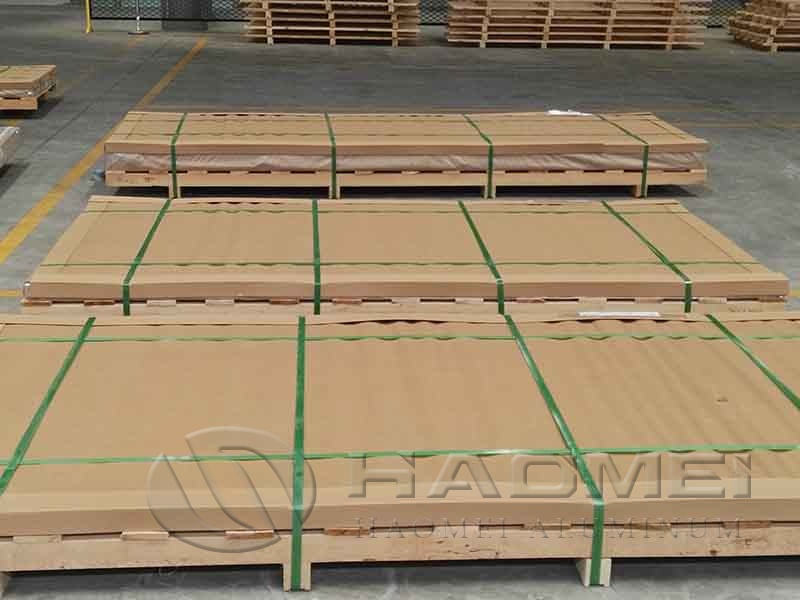
An approved Tanker Plate specification should also address packaging and transport. Plate needs dry, secure packaging that prevents water retention, edge impact, and surface damage. Require clear identification on every bundle, including alloy, temper, dimensions, heat number, and lot number. This makes it easier to maintain traceability after cutting.
| Supplier Evaluation Area | Practical Check |
|---|---|
| Manufacturing capability | Confirm capacity for the required thickness, width, temper, and delivery schedule. |
| Quality system | Review certificate control, traceability practice, and handling of nonconforming material. |
| Consistency | Request records from comparable tank or vehicle plate supply programs. |
| Technical support | Verify responsiveness on temper selection, tolerances, forming, and welding questions. |
| Delivery terms | Confirm packaging, loading method, transit protection, lead time, and claim procedure. |
For repeat tank truck programs, establish an agreed technical specification with revision control. It should state approved mills, permitted substitutes, inspection requirements, certificate format, and action limits for dimensional deviations. This approach reduces unexpected material changes between shipments and helps fabricators maintain repeatable tank quality.
Original Source:https://www.aluminumtankerplate.com/a/5083-aluminum-alloy-plate.html
Tags: 5083 Aluminum Alloy Plate , Tanker Plate ,
Prev:Stockists May Not Have It: Why Chinese Factories Are Better for Wide 5083 Aluminum Plate