

5083 H321


Questions around 5083 H321 have focused less on basic alloy definitions and more on purchase risk: Is it truly marine grade? How does it weld? Why is it priced higher than 5052 or 5754? What certificates should be requested before payment? What are the answers? Let's have a look.
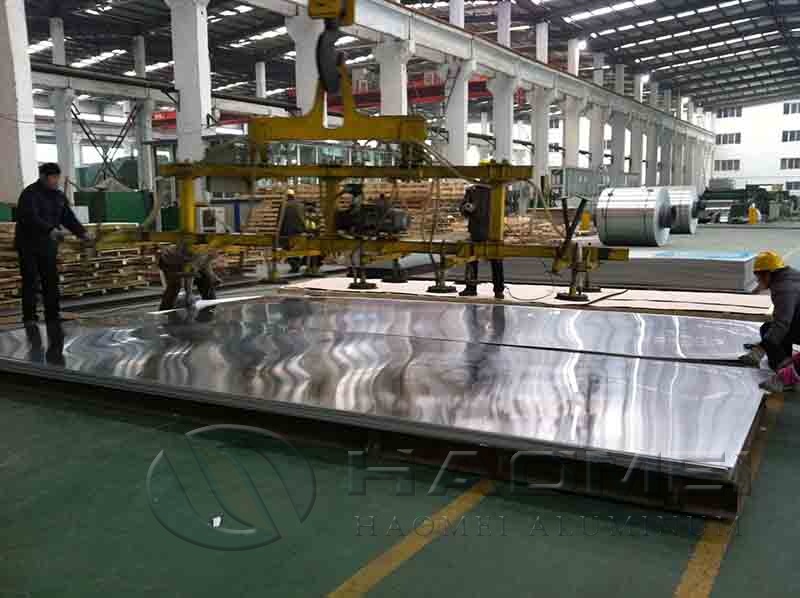
Quick reference: what 5083 H321 means
5083 is an Al-Mg-Mn alloy known for high strength among non-heat-treatable aluminum grades. H321 means the material has been strain hardened and stabilized, with controlled properties suitable for demanding marine and transport uses. It is often selected where 5052 feels underpowered, but a weldable corrosion-resistant alloy is still required.
| Item | Typical meaning for 5083 H321 |
|---|---|
| Alloy family | 5xxx aluminum-magnesium alloy |
| Temper | Strain hardened and stabilized |
| Common standards | ASTM B928, ASTM B209, EN 485, class society rules when specified |
| Typical uses | Boat hulls, LNG-related structures, tanker bodies, marine decks, storage vessels |
| Main advantage | High strength with excellent saltwater resistance |
| Main caution | Long exposure above about 65°C can increase sensitization risk |
For projects where the alloy name is still being compared with nearby 5xxx grades, Aluminium 5083 is often evaluated against 5052, 5454, 5754, and 5059 based on strength, corrosion resistance, forming demand, and certification level.
1. Is 5083 H321 really marine grade, or is that just marketing?
Yes, 5083 H321 can be a marine-grade aluminum, but only when the ordered material matches the required marine standard and paperwork. The phrase marine grade alone is not enough. For serious hull, deck, or offshore work, the purchase document should name the alloy, temper, thickness, standard, and inspection document.
A common specification is ASTM B928 for marine service aluminum products. Class approvals such as ABS, DNV, LR, or BV may also be required depending on the vessel or region. If the material is only marked 5083-H321 without a mill test certificate, chemical composition, mechanical results, and corrosion-related requirements, it may not satisfy a shipyard inspector.
Practical answer: ask for 5083-H321 to the needed standard, not just 5083 H321 by name. The certificate should show alloy, temper, heat number, thickness, tensile strength, yield strength, elongation, and applicable standard.
2. What is the difference between 5083 H321, H116, and H111?
This is one of the most repeated questions because all three tempers may appear in marine quotations. H111 is lightly strain hardened after annealing and is easier to form, but it normally offers lower strength. H116 is strain hardened with special corrosion resistance control for marine environments. H321 is also stabilized and widely used where strength and corrosion performance are both important.
| Temper | General character | Typical reason to choose |
|---|---|---|
| H111 | Softer, more formable | Bending, forming, less severe loads |
| H116 | Marine corrosion controlled | Hulls, offshore parts, saltwater exposure |
| H321 | Strain hardened, stabilized | Tanks, hull structures, high-strength welded assemblies |
The choice should not be based only on price. If the part will be heavily bent, H111 may reduce cracking risk. If the part is structural and works in saltwater, H116 or H321 is normally discussed first. For tank bodies and high-strength welded fabrications, H321 is frequently requested because it balances strength and service reliability.
3. Can 5083 H321 be welded without losing its strength?
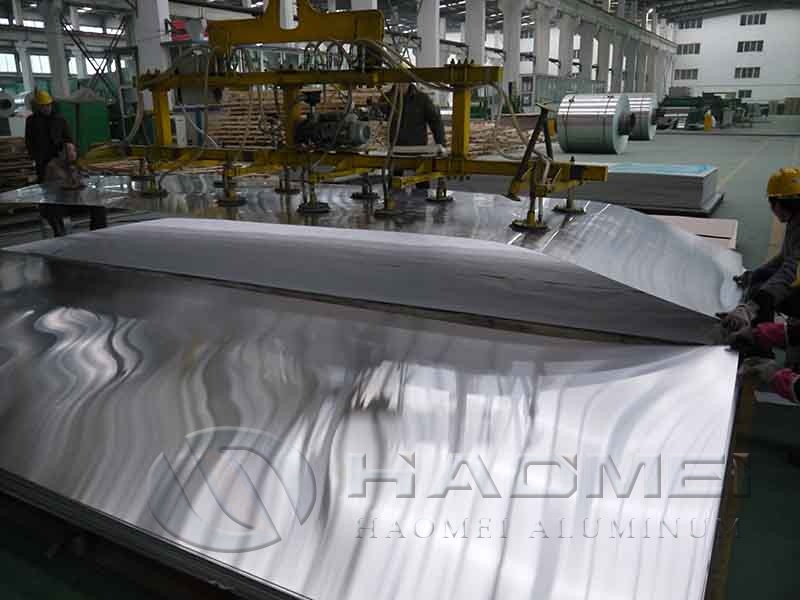
It can be welded very well, but the area near the weld will lose some strain-hardened strength. This is normal for non-heat-treatable 5xxx aluminum. The heat-affected zone behaves closer to a softer condition after welding, so engineers should not design the welded joint as if the full H321 base-metal strength remains everywhere.
Common filler choices include 5183, 5356, and 5556, depending on strength, corrosion exposure, and code requirements. Cleanliness matters greatly. Oil, oxide, moisture, and stainless-steel contamination can cause porosity or reduced corrosion performance. Welding should use proper aluminum procedures, dry filler storage, suitable shielding gas, and qualified operators.
For purchasing teams, the important question is not simply whether it welds. The better question is whether the design calculation, filler wire, weld procedure, and post-weld inspection are aligned with 5083-H321 behavior.
4. Is 5083 H321 suitable for fuel tanks, road tankers, and pressure-related equipment?
5083 H321 is widely used in tanker and transport applications because it combines high strength, good weldability, and strong resistance to atmospheric and marine corrosion. It is also valued for low-temperature performance, which is why 5083 appears in cryogenic and LNG-related discussions.
However, compatibility depends on the transported medium, operating temperature, cleaning chemicals, and design code. Aluminum 5083 is generally not ideal for strong alkaline environments. Long-term service at elevated temperature can also be a concern for some 5xxx alloys because magnesium-rich phases may affect corrosion behavior.
For road tankers, fuel tanks, and bulk liquid transport, many fabricators evaluate certified Tanker Plate options with traceable chemistry, thickness tolerance, and mechanical properties. If the vessel is regulated, the standard and inspection route should be decided before ordering, not after fabrication starts.
5. Why is 5083 H321 more expensive, and what should I verify before ordering?
5083 H321 often costs more than 5052, 3003, or 5754 because it has higher magnesium content, tighter process control, stronger mechanical performance, and, in many cases, stricter certification needs. Thickness, width, certification, origin, surface requirement, and order quantity all influence the final price.
Do not compare quotations only by unit price. A lower offer may exclude marine certification, third-party inspection, protective film, flatness tolerance, or export packing. For precision cutting or automated welding, poor flatness can create hidden costs much larger than the initial saving.
| Verification item | What to request |
|---|---|
| Material identity | 5083-H321 clearly printed on certificate and marking |
| Standard | ASTM B928, ASTM B209, EN 485, or project-specified rule |
| Test report | Chemical composition and mechanical properties |
| Traceability | Heat number, batch number, mill origin |
| Dimensions | Thickness, width, length, tolerance class |
| Surface | No severe scratches, oil stains, corrosion marks, or edge damage |
| Packing | Waterproof export packing for ocean or long-distance transport |
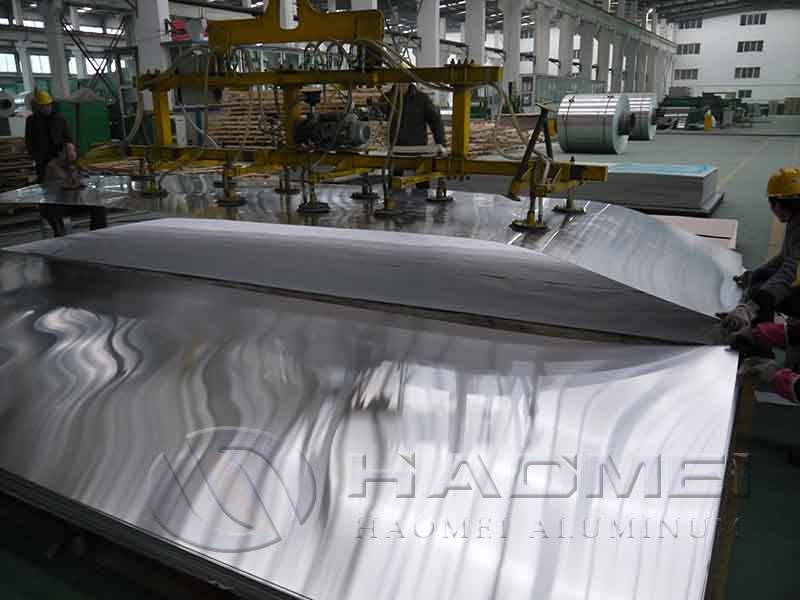
One practical note: if forming is heavy, send drawings or bend radius requirements before confirming the temper. If cutting will be by laser, plasma, waterjet, or CNC routing, specify surface protection and flatness. If welding is extensive, confirm filler compatibility and whether the project requires impact testing, corrosion testing, ultrasonic inspection, or class approval.
Original Source:https://www.aluminumtankerplate.com/a/5083-h321.html
Tags: 5083 H321 , 5083 H321 aluminum plate , marine aluminum plate , ASTM B928 , aluminum tanker plate ,
Prev:5754 Aluminum Sheet
Next:AA5059