

5454 Aluminum Sheet Price


What Determines 5454 Aluminum Sheet Price?
The 5454 aluminum sheet price for tank trucks is not based on metal value alone. It is usually formed from the aluminum market price, regional premium, conversion charge, alloy and temper requirements, order volume, inspection level, packaging, and freight. For bulk projects, comparing only a price per ton can hide important differences in quality control and delivered cost.
5454 is an Al-Mg alloy developed for good corrosion resistance, moderate strength, and elevated-temperature performance. It is widely considered for road tanker shells, pressure-related components where permitted by the applicable design code, and special-vehicle structures. Its suitability still depends on the transported medium, tank design, welding procedure, operating temperature, and local transport regulation.
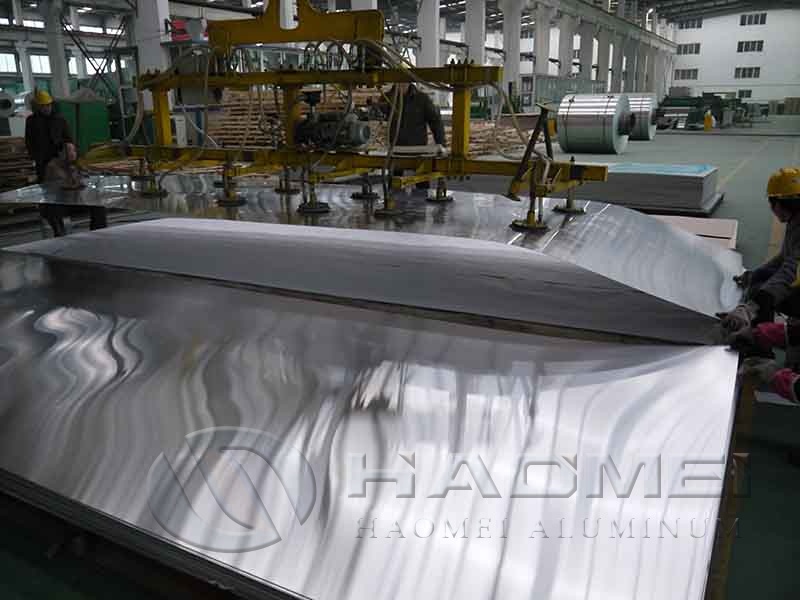
For a truck tank body, material cost is affected strongly by sheet width and thickness. Extra-wide sheet can reduce longitudinal welds and fabrication time, but it may carry a higher rolling and handling charge. Thick plate also requires tighter flatness control and can have a different conversion cost than thin sheet.
| Price Component | Why It Changes | Purchasing Impact |
|---|---|---|
| Primary aluminum value | Global exchange movements and local market conditions | Changes the metal portion of the quotation |
| Regional premium | Supply availability, import duties, and warehouse location | Can differ substantially by delivery region |
| Conversion charge | Rolling width, thickness, temper, tolerances, and surface requirements | Often higher for wide, heavy-gauge, or custom material |
| Order quantity | Mill campaign size and production efficiency | Full-truckload or mill-lot orders may improve unit economics |
| Testing and documents | Chemical analysis, mechanical tests, ultrasonic testing, and traceability | Adds cost but reduces compliance risk |
| Logistics | Distance, packaging method, insurance, and delivery terms | Must be compared on the same Incoterms basis |
A practical quotation should separate the metal basis from the processing charge whenever possible. This makes it easier to compare offers issued on different dates. Ask the supplier to state the quotation validity period, pricing basis, currency, delivery term, and whether freight, export packing, and third-party inspection are included.
Selecting 5454 Sheet for Tank Trucks and Special Vehicles
The correct alloy is selected by service conditions, not by price alone. 5454 sheet is commonly supplied in strain-hardened tempers such as H32, although the required temper and thickness must come from the tank designer and applicable standard. A fabricator should evaluate strength, corrosion behavior, formability, weld performance, and post-weld design requirements together.
When reviewing material options, Aluminum 5454 is often specified where dependable corrosion resistance and stable properties in moderately elevated service are important. However, it should not be treated as a universal replacement for every 5xxx-series material. For example, an alloy choice for a chemical tank may differ from one for a fuel tanker, dry-bulk vessel, or insulated special vehicle.
The tank manufacturer should define the following before requesting prices:
- Alloy and temper, such as 5454-H32, if confirmed by engineering.
- Thickness range, width, length, and permissible dimensional tolerances.
- Surface condition, including whether minor rolling marks are acceptable.
- Required mechanical-property direction and test frequency.
- Welding process and filler-metal compatibility, as established by the welding procedure.
- Applicable material standard, such as ASTM B209 or EN 485, where contractually required.
- Traceability requirements, including heat number, coil number, and inspection certificate format.
For transport tanks, regulations may include ADR in relevant international road transport markets, or DOT and other local requirements in the United States. These regulations govern the complete tank system, not merely the sheet alloy. The vehicle builder and design authority must confirm that the selected material, thickness, fabrication method, and inspection plan meet the rules for the intended cargo.
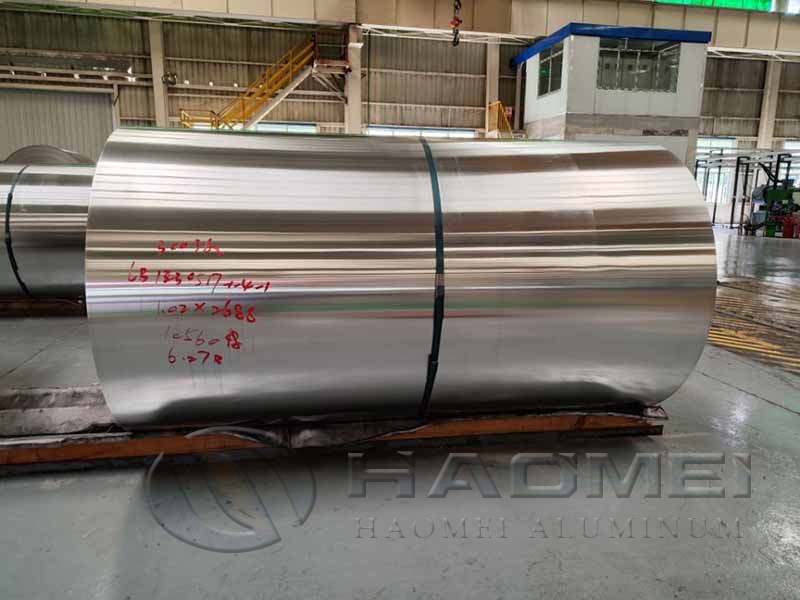
Wide sheets deserve particular attention. Fewer weld seams can support efficient production and reduce weld-related distortion, but wide material must remain flat enough for forming and fit-up. Discuss coil versus cut-sheet supply, maximum handling weight, protective interleaving, and loading orientation with both the mill and the fabrication shop.
How to Compare Supplier Offers for Bulk Tanker Material
A reliable comparison starts with a detailed request for quotation. State whether the price is required per kilogram, per metric ton, or per sheet, and ensure every supplier quotes the same theoretical or actual weight basis. Variations in density assumptions, thickness tolerance, and cut-size allowance can distort a seemingly low offer.
Use a technical comparison table before negotiating commercial terms.
| Checkpoint | What to Request | Why It Matters |
|---|---|---|
| Material certificate | EN 10204 3.1 certificate or agreed equivalent | Connects delivered sheets to chemical and mechanical test data |
| Dimensions | Thickness, width, length, flatness, and squareness tolerances | Prevents forming and welding difficulties |
| Temper verification | Temper marked on certificate and package label | Confirms the ordered condition was supplied |
| Surface inspection | Agreed acceptance criteria and inspection method | Reduces avoidable polishing or rejection work |
| Traceability | Heat and bundle identification | Supports manufacturing records and audits |
| Packaging | Moisture barrier, edge protection, pallets, and securing method | Limits transit damage and corrosion staining |
For recurring tank-truck production, it is useful to qualify a supplier through sample material or an initial production lot. Confirm actual thickness, tensile properties, bend behavior where relevant, surface condition, and forming performance on shop equipment. This process is especially valuable when changing source, width, or temper.
A supplier of Tanker Plate should also be able to clarify its rolling route, available widths, standard production tolerances, certificate practice, and lead-time assumptions. Ask whether material is mill-produced, service-center stock, or slit and cut from coil, because each route can affect size availability, traceability, and delivery consistency.
Avoid accepting an offer that lacks a clear alloy designation, temper, standard, or certificate commitment. The lowest 5454 aluminum sheet price may reflect narrower tolerances, limited documentation, nonstandard surface quality, or an uncertain delivery schedule. For large orders, a written technical specification and a pre-shipment inspection plan help align the mill, trader, fabricator, and transport provider before production begins.
Original Source:https://www.aluminumtankerplate.com/a/5454-aluminum-sheet-price.html
Tags: 5454 aluminum sheet price , tanker truck aluminum plate ,
Prev:Aluminum 5059