

Al 5182


Al 5182 is an aluminum-magnesium alloy valued for its combination of medium-to-high strength, corrosion resistance, and forming performance. It is widely recognized in transportation applications, especially stamped automotive panels and formed components. For tank truck manufacturers, however, alloy selection must be based on the tank design, cargo type, fabrication method, operating environment, and applicable transport regulations rather than alloy name alone.
A production program may specify Aluminum 5182 for formed vehicle parts, tank ends, covers, protective structures, or other components where formability is important. For the main barrel shell, many tank fabricators also evaluate 5454 and 5083 because their suitability depends on plate thickness, welding procedure, stress condition, and corrosion exposure.
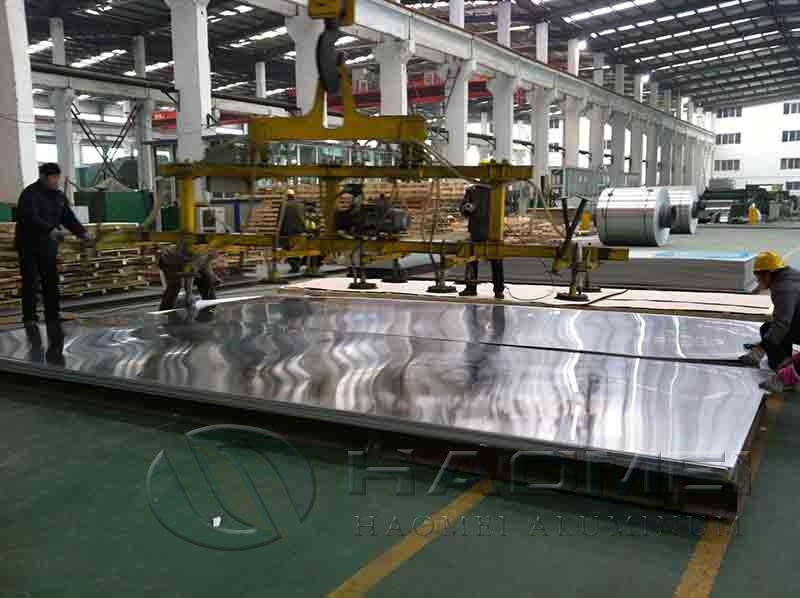
Al 5182 Properties and Its Place in Tank Truck Manufacturing
Al 5182 belongs to the 5xxx series of non-heat-treatable aluminum alloys. Its strength is developed mainly through cold working, so temper selection has a direct effect on forming, welding, and final component performance. Common delivery conditions may include O temper for maximum formability and strain-hardened tempers where higher strength is required. The appropriate temper should be confirmed against the drawing and forming process.
The alloy contains magnesium as its principal strengthening element. Compared with lower-magnesium 5xxx alloys, 5182 can offer higher strength, but fabrication teams should carefully assess bend radius, forming severity, weld design, and service temperature. Welding reduces strength in the heat-affected zone of strain-hardened material, which must be considered during structural calculations.
| Property Area | Purchasing Consideration for Al 5182 | Why It Matters for Tank Vehicles |
|---|---|---|
| Temper | Specify O, H111, H32, or another agreed temper | Controls formability and strength level |
| Thickness | Set nominal thickness and tolerance range | Supports consistent rolling, forming, and welding |
| Surface | Define mill finish, protective film, or surface cleanliness | Reduces risk of scratches and contamination |
| Flatness | State flatness requirement for cut blanks or formed parts | Improves processing stability |
| Mechanical properties | Require test values in the inspection certificate | Confirms compliance with the agreed standard |
| Traceability | Require heat number and lot identification | Supports quality records and complaint handling |
For bulk procurement, it is important not to treat Al 5182 as an automatic replacement for another 5xxx alloy. A plate suitable for a non-pressure vehicle component may not satisfy the design assumptions for a liquid-carrying shell. The engineering drawing, approved material list, and welding procedure should define the accepted alloy and temper.
Comparing 5182 with Common Tanker Alloys
Tank truck construction often uses different alloys for different parts. Shells, heads, baffles, toolboxes, walkways, and protective covers can have separate material requirements. A qualified fabricator may select material based on strength retention after welding, resistance to cargo or wash chemicals, availability in wide plate, and compatibility with established production methods.
Tanker Plate specifications should therefore identify the intended application rather than only stating a generic 5xxx-series grade. This helps mills and service centers quote the correct product and reduces the risk of receiving sheet that is unsuitable for the planned forming or fabrication route.
| Alloy | Typical Strength and Forming Position | Common Tank Vehicle Considerations |
|---|---|---|
| 5182 | Good strength and strong forming capability | Often considered for formed parts and transport structures |
| 5454 | Good corrosion resistance and moderate strength | Frequently used where welded tank service is required |
| 5083 | Higher strength among common 5xxx alloys | Used for demanding welded structures where design permits |
| 5754 | Moderate strength with good corrosion resistance | Often used for general transport and fabricated components |
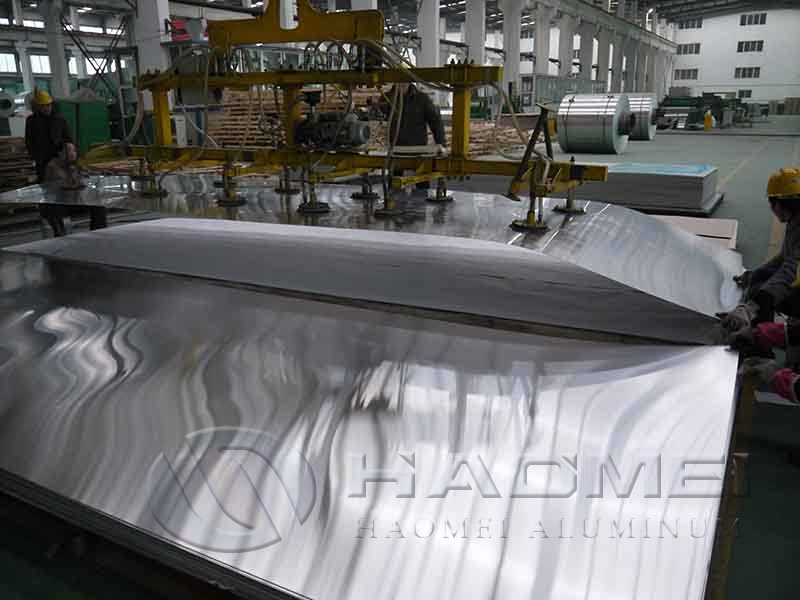
The comparison should not be based only on tensile strength. For a tank truck, the fabricator must consider fatigue loading, weld-joint efficiency, baffle connections, operating temperature, cargo chemistry, cleaning media, and regional approval requirements. Some chemical cargos may require dedicated compatibility checks, and food, fuel, or regulated dangerous-goods service can involve additional rules beyond the base material standard.
In the United States, ASTM B209 is commonly referenced for aluminum sheet and plate requirements. In European supply chains, EN 485 series documents are often relevant for wrought aluminum sheet, strip, and plate mechanical properties and tolerances. Material certificates may be requested in accordance with EN 10204 3.1 where this is part of the purchase specification. Transport tank approval remains subject to the applicable vehicle and dangerous-goods regulations in the destination market.
How to Purchase Al 5182 Plate for Tank Trucks and Special Vehicles
A clear request for quotation prevents costly variation between suppliers. Start with the exact alloy, temper, dimensions, quantity per size, and final application. State whether the product will be cut into blanks, formed into covers, welded into a structural assembly, or used in a liquid-carrying component. This information allows the supplier to assess whether standard mill plate, coil, sheet, or cut-to-length material is appropriate.
For large-volume orders, include the following requirements in the technical specification:
- Applicable standard, such as ASTM B209 or EN 485, as required by the project.
- Alloy and temper, including any approved alternatives.
- Thickness, width, length, dimensional tolerance, and flatness requirement.
- Minimum mechanical properties and test direction where relevant.
- Surface condition, allowable defects, protective film, and packaging method.
- Mill test certificate requirements, heat traceability, and identification labels.
- Inspection requirements, including sampling, third-party inspection, or ultrasonic testing only when contractually required.
- Delivery schedule, port or plant destination, and packaging suitable for moisture protection.
Price should be evaluated as a combination of aluminum market exposure, conversion cost, thickness, width, temper, order volume, testing, packaging, and freight. Wide, thick, or tightly toleranced plate can have a different conversion premium from standard sheet. A lower initial quote may create higher production cost if the material has inconsistent flatness, poor edge quality, incomplete certificates, or packaging damage.
Before placing a production order, request a sample certificate and confirm that the supplier can maintain the same source, temper, and dimensional controls across repeat deliveries. For critical tank vehicle programs, first-article forming and welding trials are useful because they verify behavior in the actual fabrication process rather than relying only on nominal material data.
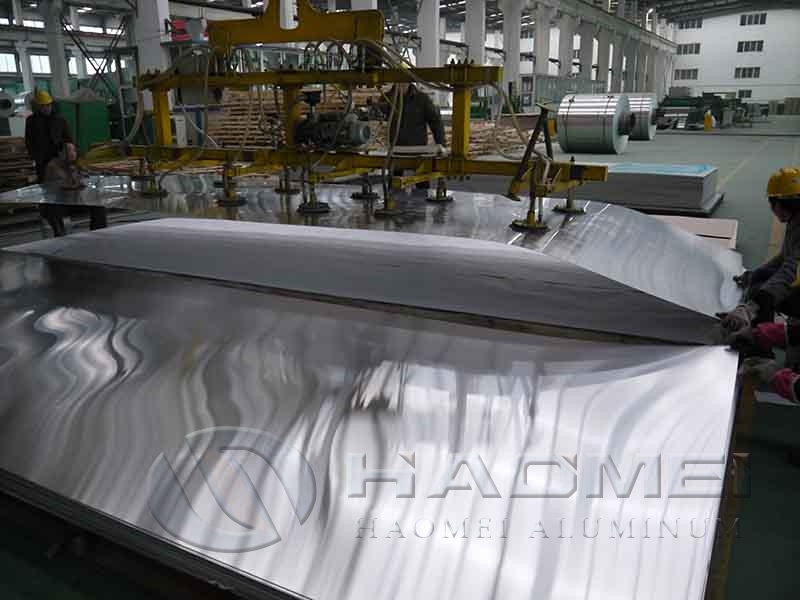
For long-term supply, align purchasing terms with the metal-price mechanism, forecast volume, acceptable delivery lot size, and certificate retention period. These controls help tank truck manufacturers maintain material consistency while managing cost exposure and regulatory documentation.
Original Source:https://www.aluminumtankerplate.com/a/al-5182.html
Tags: Al 5182 , Aluminum Tanker Plate ,