

Al 5754 H22


Al 5754 H22 is a commonly specified aluminum alloy and temper for tank trucks, special vehicles, and transport equipment requiring low weight, corrosion resistance, and reliable forming performance. For bulk procurement, selecting the right sheet or plate means looking beyond nominal thickness. Alloy chemistry, temper stability, surface quality, width capability, mill certificates, and delivery consistency all affect fabrication efficiency and final vehicle performance.
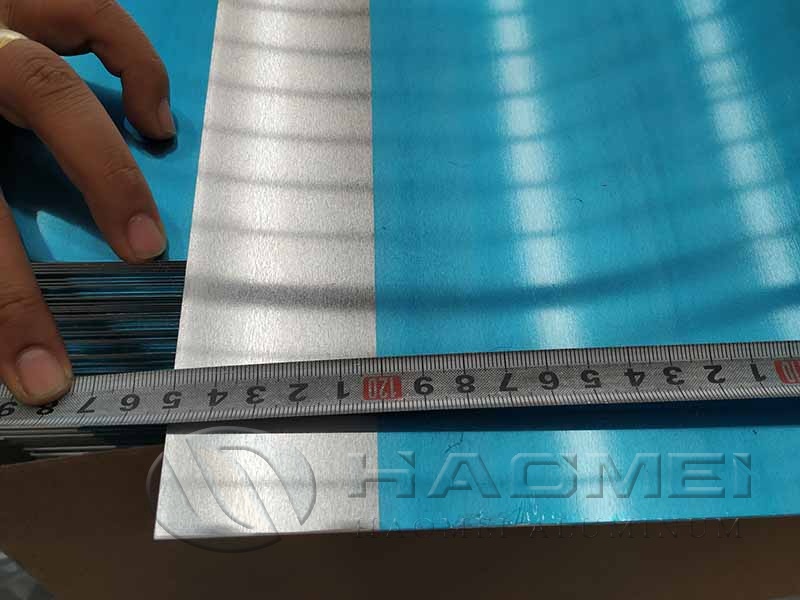
Why Al 5754 H22 Is Used for Tank Trucks
Al 5754 is an Al-Mg alloy in the 5xxx series. It is valued for good resistance to atmospheric corrosion and many non-aggressive industrial environments. Compared with ordinary steel, aluminum can significantly reduce tare weight, which can help vehicle operators increase payload potential within applicable gross vehicle weight limits.
The H22 temper means the material has been strain hardened and then partially annealed. This process provides a balance between strength and formability. In tank truck production, that balance is important because shell sections, end caps, baffles, skirts, and protective covers may require rolling, bending, pressing, or welding.
For projects requiring this alloy, Aluminum 5754 should be reviewed not only by alloy name but also by temper, thickness tolerance, flatness, and the mechanical-property range shown on the mill test certificate.
| Property Area | Why It Matters for Tank Vehicle Fabrication |
|---|---|
| Moderate strength | Supports structural performance while keeping weight low. |
| Good formability | Helps fabricators roll shell sections and form components with less cracking risk. |
| Corrosion resistance | Supports service in outdoor transport environments. |
| Weldability | Suitable for common aluminum welding processes when proper filler metal and procedures are used. |
| Surface condition | A clean, stable surface improves forming, welding preparation, and appearance. |
Al 5754 H22 is not automatically the correct choice for every tank body. Cargo type, tank geometry, operating temperature, design pressure, welding procedure, regional regulation, and vehicle load case must all be assessed by the tank designer and fabricator.
Selecting Thickness, Width, and Quality Requirements
Tank truck manufacturers often purchase Al 5754 H22 in sheet or plate form, depending on the required gauge and shell design. Wide material is especially useful for reducing longitudinal welds. Fewer weld seams can simplify fabrication, although the final design must still meet applicable engineering and inspection requirements.
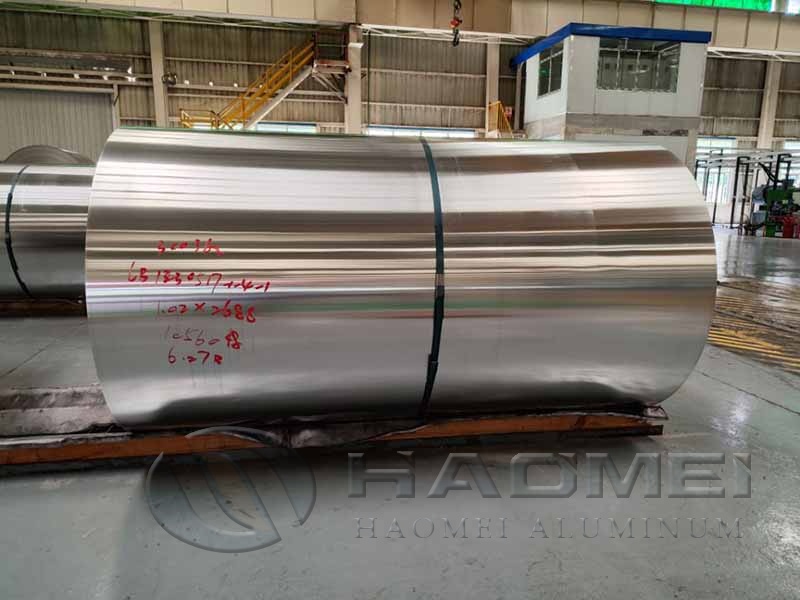
When preparing an inquiry, specify the finished application instead of requesting only "5754 H22 plate." A complete specification helps the supplier confirm whether the product is suitable for rolling, welding, cutting, or stamping.
| Procurement Item | Recommended Requirement to State |
|---|---|
| Alloy and temper | Al 5754 H22, with the applicable standard requirement. |
| Thickness | Nominal thickness, permitted tolerance, and minimum acceptable thickness. |
| Width and length | Coil, sheet, or cut-to-length dimensions, including maximum width needs. |
| Surface | Mill finish, protective film requirement, allowable scratches, oil, or roller marks. |
| Flatness | Flatness requirement based on cutting, forming, and automated welding operations. |
| Documentation | Mill test certificate, chemical composition, mechanical properties, and traceability data. |
| Packaging | Export seaworthy packaging, pallet type, edge protection, and moisture control. |
For shell applications, confirm whether the material will be supplied as coil, sheet, or extra-wide plate. Coil can improve material utilization for continuous production lines, while cut sheets can simplify handling for smaller fabrication operations. The practical choice depends on press capacity, rolling equipment, warehouse space, and production volume.
A dedicated Tanker Plate specification may also include project-specific requirements such as ultrasonic inspection, controlled edge quality, protective interleaving, or tighter thickness consistency. These requirements should be agreed before production, not after shipment.
Certification, Standards, and Supplier Evaluation
Standards should be selected according to the destination market and the vehicle design specification. EN 573-3 covers chemical composition designations for aluminum and aluminum alloys. EN 485 series standards are commonly referenced for wrought aluminum sheet, strip, and plate mechanical properties and tolerances. ASTM B209 is also widely used for aluminum and aluminum-alloy sheet and plate in markets where ASTM specifications apply.
Tank construction standards are separate from material standards. For example, ADR-related transport requirements and EN 13094 may be relevant to certain European road tank applications. In the United States, DOT cargo tank requirements may apply depending on the transported product and tank type. Material compliance alone does not certify a completed tank vehicle.
A dependable supplier should provide traceability from finished sheet back to the production batch. The mill test certificate should normally identify alloy, temper, dimensions, heat or batch reference, chemical composition, and mechanical test results. Procurement teams should compare the certificate values with the purchase order and applicable standard, rather than relying only on a general declaration of conformity.
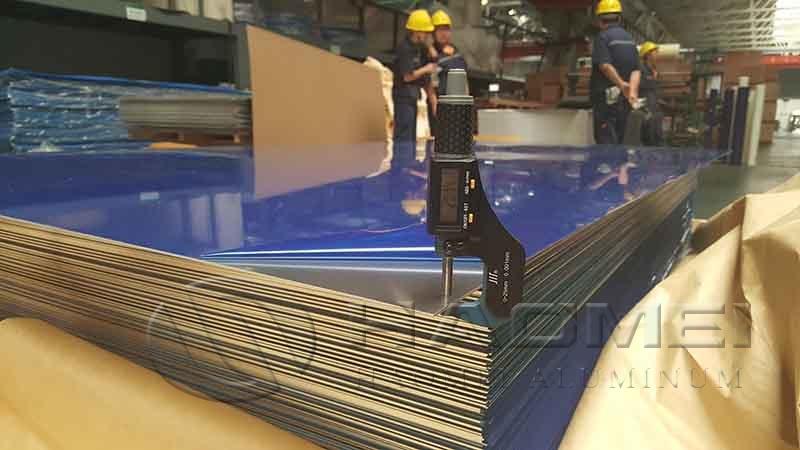
Before placing a large order, evaluate sample material from the proposed source. Useful checks include thickness measurement across the width, surface inspection under suitable lighting, bend or forming trials, weld trials using the planned process, and verification of certificate consistency. For critical vehicle programs, third-party inspection can be arranged before shipment.
Price should be assessed as a delivered manufacturing cost, not only as a price per metric ton. A lower-cost sheet with poor flatness, inconsistent thickness, damaged edges, or unstable delivery timing can create scrap, production delays, and extra welding work. Freight mode, packaging quality, minimum order quantity, payment terms, alloy surcharge exposure, and lead time should be reviewed together.
For recurring tank truck programs, establish an agreed technical schedule with each approved supplier. It should define dimensions, tolerances, acceptable surface conditions, certificate format, packaging method, inspection procedure, claim handling, and production lead time. This creates a clearer basis for long-term supply and helps reduce variation between shipments.
Original Source:https://www.aluminumtankerplate.com/a/al-5754-h22.html
Tags: Al 5754 H22 , Aluminum Plate for Tank Trucks ,
Prev:5454 Aluminum Plate