

Aluminium Alloy 5454


Aluminium alloy 5454 is a non-heat-treatable Al-Mg material valued for corrosion resistance, stable forming behavior, and good performance at moderately elevated temperatures. Recent English-language Q&A discussions often focus on whether 5454 is suitable for road tankers, pressure vessels, formed panels, and welded structures.
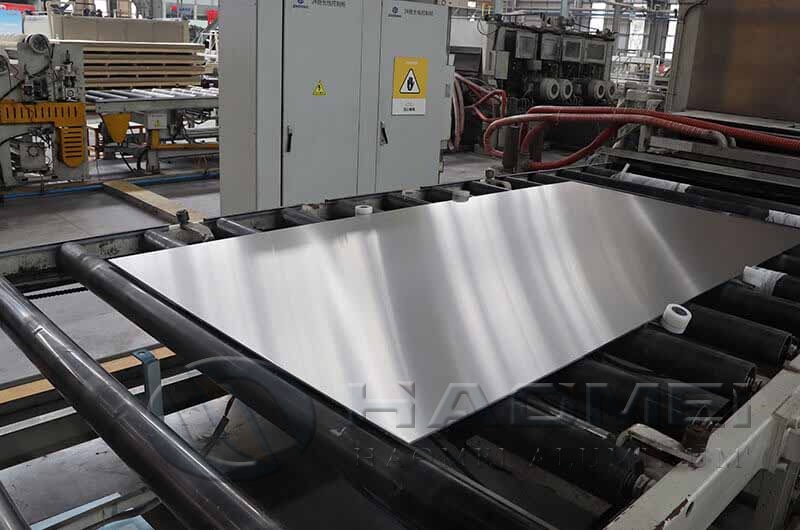
The five questions below address the practical details that should be confirmed before selecting an alloy, temper, thickness, and delivery condition.
| Question area | What to check before specifying 5454 |
|---|---|
| Alloy selection | Service temperature, chemical exposure, required strength |
| Temper | O, H32, H34, or another condition based on forming needs |
| Fabrication | Bend radius, weld procedure, filler metal, distortion control |
| Surface condition | Mill finish, protective film, tread pattern, or pre-treatment |
| Documentation | Chemical composition, mechanical test data, dimensional tolerance |
1. What is aluminium alloy 5454 mainly used for?
Aluminium alloy 5454 is commonly selected for fabricated equipment exposed to moisture, weather, industrial atmospheres, and some chemical environments. Its magnesium-based composition gives it stronger corrosion resistance than many general-purpose aluminium grades, while retaining useful formability for curved and welded components.
A frequent application is the body of a road tanker carrying non-cryogenic liquids. It is also used for pressure vessels, heat-related processing equipment, truck components, storage vessels, and formed industrial panels. In tanker work, 5454 is often considered when elevated operating temperatures or repeated loading conditions make alloy selection more demanding than for ordinary transport structures.
For projects requiring this alloy in commercial dimensions, Aluminum 5454 can be specified with the required temper, thickness tolerance, width, and inspection documentation.
5454 should not be selected solely because it is corrosion resistant. The transported medium matters. Strong alkalis, certain acids, contamination, temperature, cleaning chemicals, and long-term stagnant exposure can all affect suitability. A material compatibility review is essential when the application involves aggressive cargoes.
2. Is 5454 aluminum better than 5083 for tanker applications?
Neither alloy is universally better. Aluminium 5083 generally provides higher strength and is widely used where structural loading is the leading concern. Alloy 5454 is often preferred for applications involving higher service temperatures and formed tanker sections where stable mechanical behavior is important.
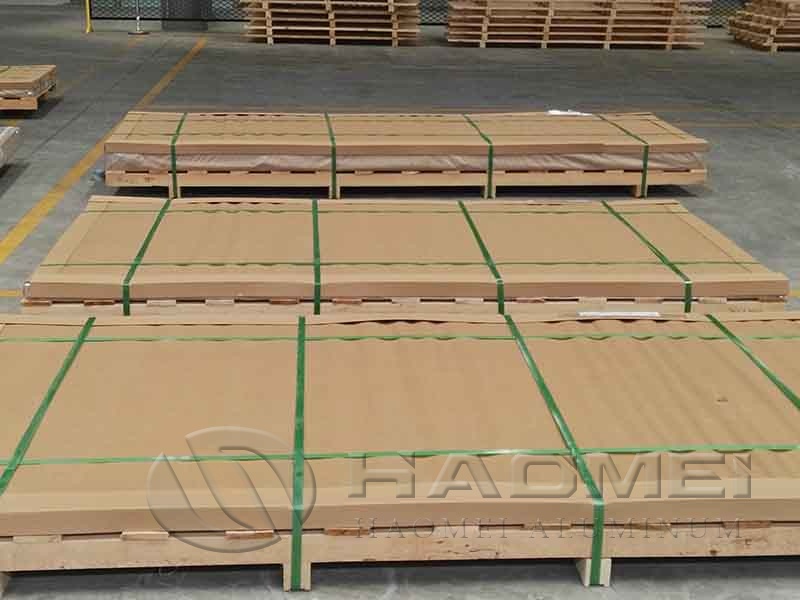
The practical comparison is usually based on the operating environment rather than a single strength value.
| Property | Aluminium Alloy 5454 | Aluminium 5083 |
|---|---|---|
| Alloy family | Al-Mg | Al-Mg-Mn |
| Relative strength | Moderate to high | Generally higher |
| Forming suitability | Very good in soft and medium tempers | Good, depending on temper |
| Elevated-temperature service | Commonly considered for this condition | Requires application-specific assessment |
| Typical use | Tankers, vessels, formed equipment | Marine structures, tanks, transport structures |
If the design is governed by payload, structural stiffness, or high stress, 5083 may be the stronger option. If the duty involves warm liquids, thermal cycling, and extensive forming, 5454 may offer a more suitable balance. A Tanker Plate specification should also define the cargo, maximum working temperature, weld layout, and applicable regional standard.
3. Which 5454 temper is best for bending and fabrication?
The correct temper depends on whether the component needs deep forming, moderate bending, or maximum practical strength. O temper is the softest common condition and is often chosen for demanding forming operations. H32 and H34 tempers provide greater strength, but their allowable bend radius may need to be larger than that of O temper.
For a deeply dished vessel end, a softer temper may reduce cracking risk and springback. For a flat panel that will be cut, rolled, and lightly formed, H32 may offer a useful balance between rigidity and workability. H34 can be appropriate where extra strength is needed and the forming geometry is less severe.
Before production, confirm these details with the fabricator:
- Minimum inside bend radius relative to material thickness.
- Bend direction compared with rolling direction.
- Presence of sharp corners, punched holes, or notches near bends.
- Need for post-forming flatness control.
- Whether the surface will be polished, painted, anodized, or left in mill finish.
A trial bend using the actual temper and thickness is more reliable than relying only on generic bend charts. Different tools, die openings, and edge quality can noticeably change the result.
4. Can aluminium alloy 5454 be welded easily?
Yes. Alloy 5454 has good weldability using common aluminium welding methods such as MIG and TIG. However, successful welding depends on joint preparation, filler selection, heat input, cleanliness, and post-weld inspection rather than the base alloy alone.
For fabricated tanks and vessels, welded zones can have different mechanical properties from the parent material because strain-hardened tempers soften near the weld. This should be considered in structural calculations. A design based only on the published strength of H32 or H34 base metal may overestimate the strength available around welded joints.
Typical welding controls include clean joint edges, dry filler wire, suitable shielding gas, controlled heat input, and proper removal of oxide and oil. Weld sequence also matters on long panels, because aluminium expands significantly during heating and can distort if welding is concentrated in one area.
Where leak-tightness is critical, specify the inspection method in advance. Depending on the product, this may include visual examination, dye penetrant testing, pressure testing, vacuum-box testing, or radiographic examination.
5. Does 5454 aluminum resist corrosion in fuel, water, and chemical service?
Aluminium alloy 5454 performs well in many atmospheric and marine-adjacent conditions because it naturally forms a protective oxide layer. It can also be suitable for selected fuel, water, and chemical containment duties. However, corrosion resistance is never identical across every liquid or cleaning regime.
For fuel-related service, material selection should account for fuel type, additives, water contamination, tank-cleaning products, and temperature. For water service, chloride content and stagnant conditions are important. For chemical service, the concentration, operating temperature, exposure duration, and impurities must be reviewed together.
Galvanic corrosion is another common concern. If 5454 is joined to carbon steel, copper-bearing metals, or stainless steel in a wet environment, electrical isolation and drainage may be needed. Fasteners, sealants, coatings, and trapped moisture can influence long-term results as much as the aluminium itself.
When requesting 5454 material, include the intended service medium, maximum temperature, temper, required mechanical values, dimensional tolerances, surface condition, ultrasonic testing needs, and certificate requirements. These details help ensure the supplied material matches the fabrication process and the final operating environment.
Original Source:https://www.aluminumtankerplate.com/a/aluminium-alloy-5454.html
Tags: aluminium alloy 5454 , aluminum 5454 , 5454 aluminum properties , 5454 aluminum temper ,
Prev:Aluminium Alloy 5182