

Aluminum Alloy 5083


What Is 5083 Aluminum And Why It Is Called Marine Grade
5083 aluminum is a non heat treatable, magnesium alloyed wrought material (Al Mg Mn) known for strong corrosion resistance in seawater and industrial atmospheres. It is commonly referred to as marine grade aluminum because it performs well in salt spray exposure and retains useful strength after welding compared with many other alloys.
For bulk supply programs, confusion usually comes from two areas: choosing the right temper for forming versus strength, and understanding when a different alloy is better for temperature, corrosion, or fabrication needs. The sections below address those questions in practical terms.
Key Properties That Matter In Purchasing Decisions
Corrosion resistance and service environment
5083 is widely specified for marine structures, shipbuilding, and chemical handling because it resists general corrosion well. Like other high magnesium 5xxx alloys, it can be susceptible to sensitization if exposed for long periods in an elevated temperature range, which may increase risk of intergranular corrosion in certain conditions. If your application involves sustained higher temperature exposure, confirm the intended service temperature and consult applicable standards or a materials engineer before finalizing the temper and fabrication route.
Strength and formability balance
This alloy offers a strong strength to weight combination, especially in strain hardened tempers. It is also formable, but formability depends heavily on temper.
- Softer tempers (such as O) are preferred when deep forming is required.
- Strain hardened tempers (such as H116, H321, H32) are chosen when higher strength and better dent resistance are needed.
Weldability
5083 is generally considered highly weldable by common methods (such as MIG and TIG). Welding reduces strength in the heat affected zone because it is not strengthened by heat treatment. Design allowables should account for this. In many marine fabrications, the post weld performance remains a key reason it is selected.
Typical specification points to confirm
When placing repeat orders, confirm these items in writing to prevent mixed supply:
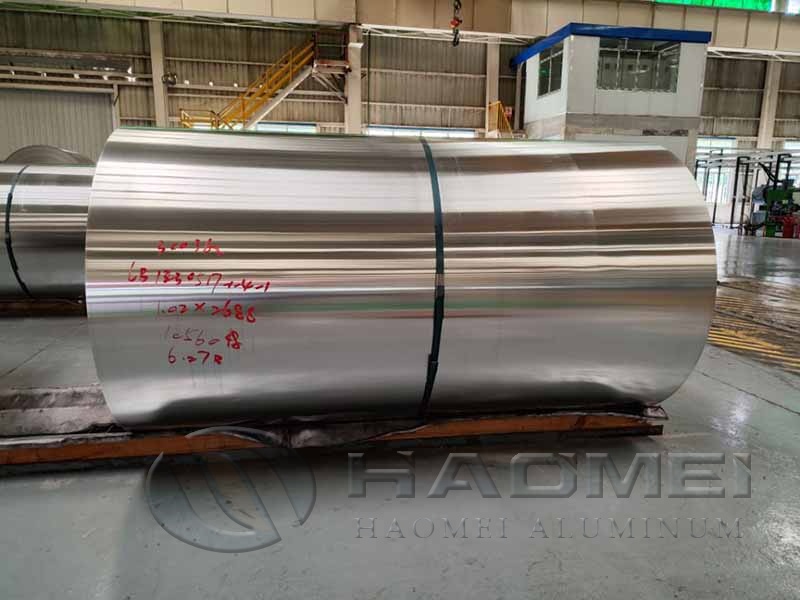
- Product form: plate, coil, strip, or foil equivalent ranges depending on your program
- Temper: O, H111, H112, H116, H321, H32, or others per standard
- Standard: ASTM, EN, or customer specification
- Surface: mill finish, one side protective film, or specified roughness
- Flatness, camber, edge condition, and coil ID OD requirements
Tempers, Use Cases, And How To Choose
The temper is often the deciding factor for performance. The table below summarizes widely used options and how they tend to be applied.
| Temper | What It Means (Plain English) | Typical Reasons To Choose | Common Applications |
|---|---|---|---|
| O | Annealed, soft | Maximum formability, easier bending | Complex formed parts, prototyping, deep forming |
| H111 | Light strain hardening | Mild strength gain with good workability | General fabrication, moderate forming |
| H112 | As fabricated, some work hardening | Consistent supply for thicker gauges | Heavy plate programs, structural components |
| H32 | Strain hardened and stabilized | Higher strength with controlled properties | Transport panels, structural skins |
| H116 | Marine oriented controlled properties | Better corrosion performance in marine exposure | Hulls, decks, offshore structures |
| H321 | Strain hardened with stabilization control | Helps manage property consistency after processing | Shipbuilding, welded fabrications |
If you are comparing marine tempers, H116 and H321 are commonly requested because they are associated with marine service expectations in many supply chains. Always match the temper to the design code or customer specification rather than assuming interchangeability.
Common Product Selection Questions From Industrial Orders
Plate for marine structures and tanks
For marine structures and chemical handling equipment, thicker gauges are often supplied as plate. If your project includes road tankers or liquid transport, the plate condition and flatness tolerances are usually as important as alloy choice. Many procurement teams evaluate alternatives in the same family to balance weldability, corrosion, and forming.
When the application is transport tank body fabrication, consider whether a dedicated Tanker Plate specification better matches forming and welding needs than a general plate callout.
Coil for high throughput fabrication
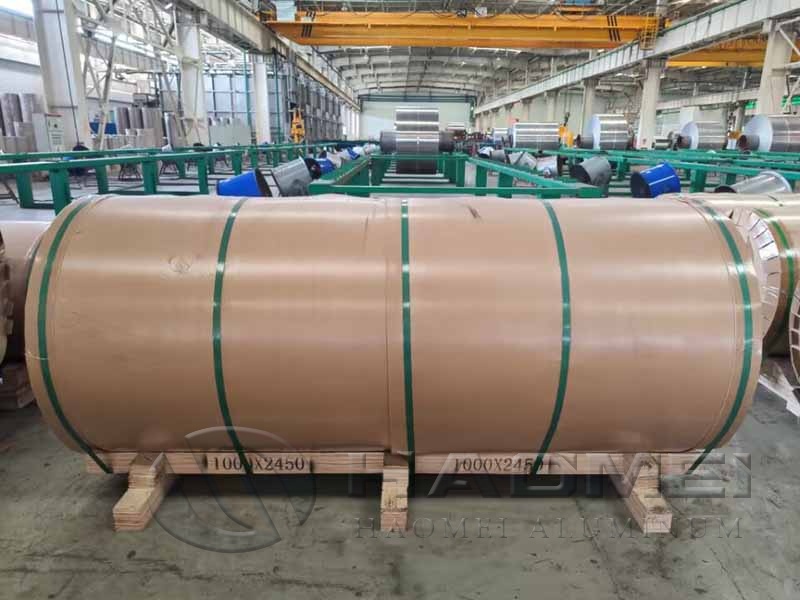
Coil supply supports continuous processing, leveling, stamping, and roll forming. For coil, pay extra attention to:
- Slitting quality and edge wave limits
- Coil set and residual stress expectations
- Surface protection requirements for downstream finishing
If your engineering documentation explicitly calls out the alloy, you can align requirements using a product page like Aluminium 5083 while keeping your purchase order language consistent with the governing standard.
How it compares with nearby 5xxx alloys
If you are deciding between similar 5xxx alloys, the difference is often not a single property but a combination of forming behavior, corrosion expectations, and code familiarity.
| Alloy Family Comparison | Where 5083 Tends To Fit | When Another Alloy May Be Considered |
|---|---|---|
| 5xxx marine alloys | Strong corrosion resistance and good welded strength | If the part needs different forming response, temperature exposure performance, or customer mandated specs |
| Automotive forming focused 5xxx | Robust structural and marine use | If deep drawing or specific hemming behavior is the priority |
| Tank and chemical service focused 5xxx | Common for marine and industrial | If a specific tanker standard or long term temperature profile suggests a different choice |
Quality Control And Documentation To Request
For industrial supply, documentation prevents disputes and rework. Typical requests include:
- Mill test report with chemistry and mechanical properties
- Temper and standard compliance statement
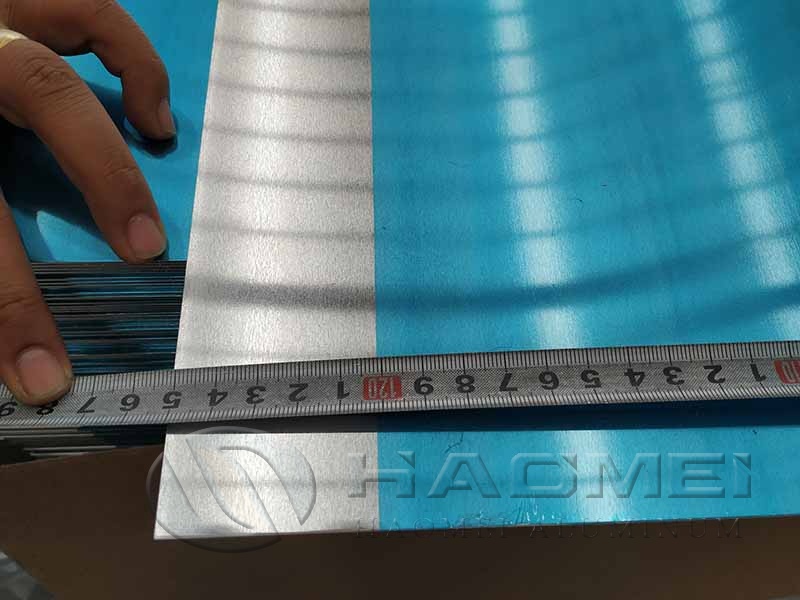
- Dimensional inspection data for thickness, width, and flatness
- Surface inspection criteria and allowable defect limits
- Packaging requirements for sea freight or long storage
If your incoming inspection includes bend tests or corrosion related checks, specify the test method and sampling plan in advance. Also align on whether protective film is required, because film choice impacts downstream cleaning, adhesion, and appearance after fabrication.
Practical Ordering Checklist For Repeat Supply
To reduce back and forth during ordering, define the following in your RFQ and PO:
- Alloy and temper, plus acceptable alternates if any
- Thickness range and tolerance class
- Width, length, or coil requirements, including ID and maximum OD
- Flatness, camber, and edge condition
- Intended fabrication method: welding, bending radius targets, machining
- Service environment: seawater splash, chemical exposure, temperature range
This approach keeps the material selection tied to performance needs and helps ensure consistent results across production batches.
Original Source:https://www.aluminumtankerplate.com/a/aluminum-alloy-5083.html
Tags: 5083 aluminum , marine grade aluminum ,
Prev:Aluminium 5083